
End of Internal Combustion Engine Vehicles in 2035: Growing Divergences Between France and Germany
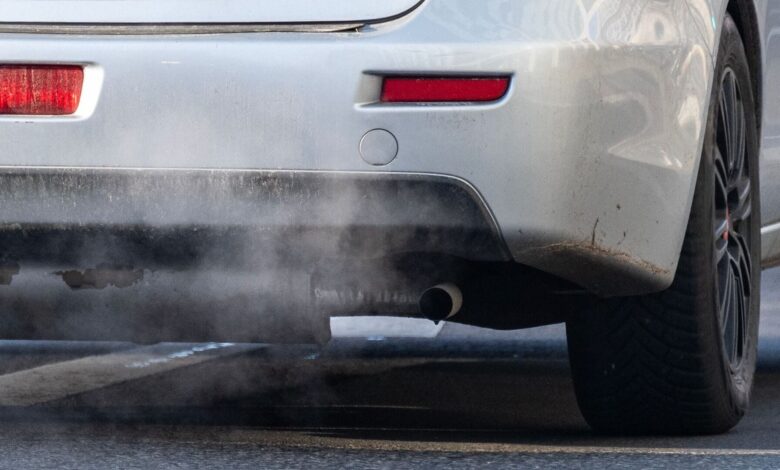
The European Objective to Ban New Thermal Vehicles by 2035 Sparks Heated Debate
The European goal of prohibiting the sale of new internal combustion engine vehicles by 2035 continues to evoke intense discussions within the European Union. While France reaffirms its support for this deadline to accelerate the ecological transition, Germany advocates for greater flexibility, particularly in favor of synthetic fuels, revealing new tensions between the two main economic powers on the continent.
This divergence emerges at a critical juncture for the future of the European automotive industry, which is grappling with increasing competition from Chinese manufacturers and challenges related to the electrification of its vehicle fleet.
France Advocates for an Electric Transition
Paris views the ban on thermal motor vehicles as a crucial step toward achieving the climate goals set by the European Union. French authorities believe that adhering to the 2035 timeline is essential to provide clarity for industrial stakeholders and accelerate investments in clean technologies.
The French strategy primarily hinges on the development of electric vehicles and the enhancement of charging infrastructure, which are seen as the cornerstones of future decarbonized mobility.
Germany Calls for a Place for Synthetic Fuels
On the other hand, Germany continues to advocate for the integration of e-fuels, or synthetic fuels, into future European regulations. Berlin argues that these technologies could help reduce CO₂ emissions while preserving part of the industry linked to internal combustion engines.
This position is echoed by several German automakers who view synthetic fuels as a complementary solution to electrification.
A Strategic Issue for the European Automotive Industry
Beyond environmental considerations, the debate reflects the economic and industrial concerns of member states. Europe aims to maintain its competitiveness against the rising power of Asian manufacturers, particularly in the realm of electric vehicles and batteries.
The decisions made in the coming years will have a significant impact on investments, employment, and the structure of the European automotive sector.
A Transition That Continues to Divide Europe
While the goal of carbon neutrality enjoys broad consensus, the means to achieve it remain a subject of ongoing discussion. With strong advocacy for electrification, support for alternative fuels, and preservation of industrial competitiveness, negotiations among member states are expected to continue in the coming months.
The outcome of this debate will be pivotal for the future of the European automotive sector and for the European Union’s climate strategy by 2035.