Souss-Massa: Towards Africa’s Largest Desalination Plant to Strengthen Water Security
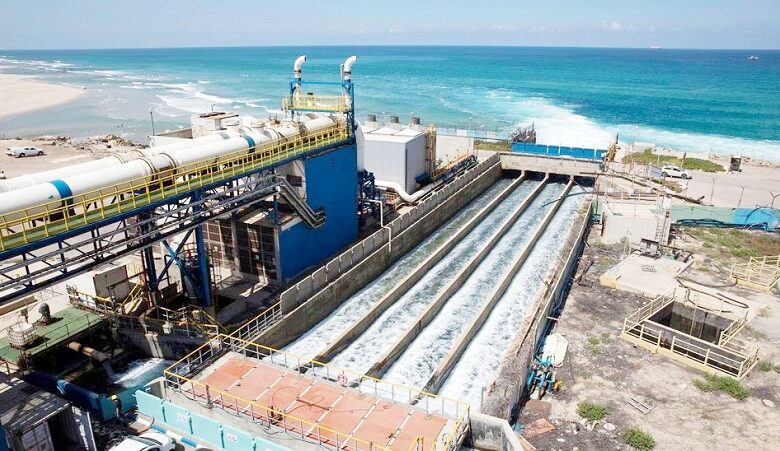
Strategic Meeting on Desalination Project in Souss-Massa Region
The wali (governor) of the Souss-Massa region and governor of the Agadir prefecture, Said Amzazi, presided over a meeting at the wilaya headquarters dedicated to discussing the progress of a new seawater desalination plant project in the area. This gathering included the governor of the Chtouka Aït Baha province, the president of the Souss-Massa Regional Council, as well as representatives from various ministries, institutions, and partners involved in this strategic initiative.
This meeting is part of ongoing efforts to strengthen the region’s water security and address the increasing demand for water resources, both for drinking water supply and agricultural irrigation needs. These initiatives come in the context of water stress and the impacts of climate change.
During the session, officials from the National Office of Electricity and Drinking Water presented a detailed technical report on the project, which will be implemented as part of a public-private partnership.
The future facility is expected to achieve an overall production capacity of 350 million cubic meters of desalinated water annually, making it the largest desalination plant in Africa and one of the most ambitious hydraulic projects on an international scale. Of this volume, 250 million cubic meters will be allocated for agricultural irrigation while 100 million cubic meters will be used for drinking water supply.
Participants also emphasized that the station will be powered by renewable energy sources, a strategy that will enhance the project’s sustainability while reducing its carbon footprint, in line with national energy transition objectives.
The meeting also examined the technical, environmental, and land-related aspects of the chosen site, along with the necessary arrangements to implement this significant project while adhering to environmental standards and sustainable development principles.
In his address, Mr. Amzazi highlighted the strategic importance of this project, which aligns with the Royal High Orientations aimed at enhancing the resilience of the national water system and ensuring the sustainability of water resources. He emphasized that this infrastructure will serve as a major lever to support the economic, social, and agricultural development of the region and improve the living conditions of its populations.
The meeting concluded with a call to enhance coordination among the various stakeholders and to expedite the completion of studies and necessary procedures to ensure the swift implementation of this vital project.