An international report warns about water challenges hindering Morocco’s green ambitions.
Morocco’s Commitment to Sustainable Development: Addressing Water Challenges
Morocco continues its strategy of sustainable development and the transition towards a green economy. However, this ambition faces increasing environmental challenges, notably water scarcity and the growing frequency of droughts, as highlighted in a report published by the Stimson Center, an American research institute.
The document emphasizes that the ongoing decline in water resources is one of the main obstacles to the sustainable development of the Kingdom, particularly for agriculture—a sector that is heavily reliant on water.
Escalating Water Stress
The report notes that water resources per capita have significantly decreased over the past few decades, plummeting from about 2,560 m³ in the 1960s to just 565 m³ today. This situation positions Morocco among the countries most vulnerable to water stress globally.
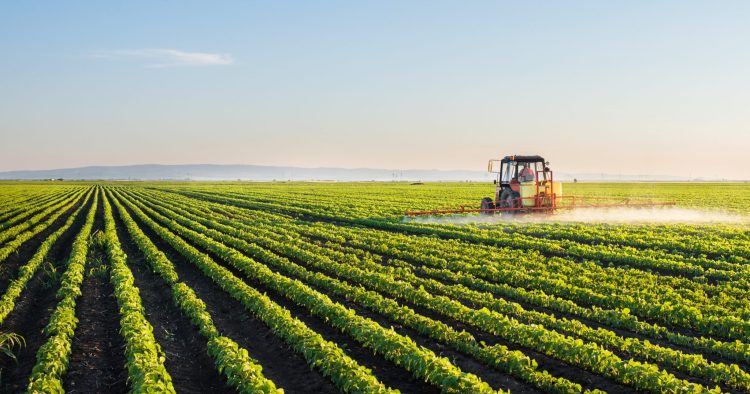
Since 2015, repeated droughts have led to a substantial decline in both dam reserves and groundwater levels. Agriculture, which consumes nearly 85% of water resources and serves as a vital source of rural employment, remains the sector most susceptible to the impacts of climate change.
Accelerating Water Management Investments
In response to this situation, the Kingdom is implementing several projects outlined in the National Water Plan 2020-2027. Key measures include water transfer initiatives between hydraulic basins, launched in 2023 between the Sebou basin and the dams supplying the Rabat and Casablanca regions, as well as the construction of 40 new dams by 2030.
The government is also focusing on the widespread adoption of drip irrigation and promoting drought-resistant crops to enhance the resilience of the agricultural sector.
Desalination: A Pillar of Water Strategy
The report highlights the accelerated development of seawater desalination as a structural solution to the water crisis. Morocco aims to produce 1.4 billion cubic meters of desalinated water per year by 2030.
The launch of the major Casablanca desalination plant in 2024 is one of the flagship projects of this strategy. In the long term, this infrastructure is expected to become the largest of its kind in Africa.
Renewable Energy Remains a Priority
Despite water-related challenges, Morocco continues to pursue its energy transition goals. The Kingdom plans to increase the share of renewable energy to 56% of the national electricity mix by 2030.
This strategy relies significantly on the Noor Ouarzazate solar complex, with a capacity of 580 MW, as well as ongoing developments in wind energy, which had reached an installed capacity of 2,373 MW by the end of 2024.
The report concludes that the success of this transition will depend on Morocco’s ability to harmonize the development of clean energy with the sustainable management of its water resources.