Energy Transition: ONEE and the Green H2 Morocco Cluster Strengthen National Skills in Infrastructure Corrosion Management
Training on Corrosion for Energy and Industrial Structures in Morocco
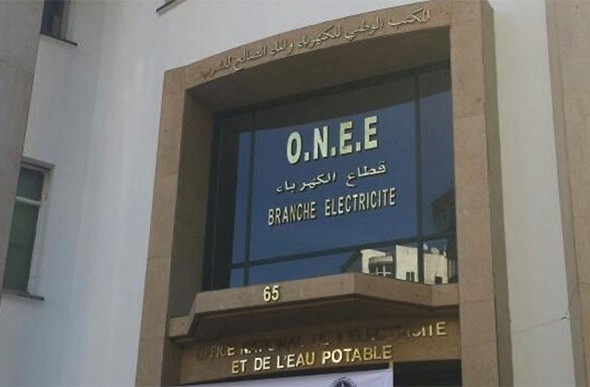
In a context marked by the acceleration of projects related to energy transition and the development of the green hydrogen sector, the Cluster Green H2 Morocco and the National Office of Electricity and Drinking Water (ONEE) organized a specialized training session focused on the corrosion of energy and industrial structures at the end of June.
Hosted at the Centre for Electrical Science and Technology of ONEE, this training session is part of a collective effort aimed at enhancing national technical skills in strategic areas related to the reliability, safety, and sustainability of energy infrastructure.
Led by experts from the CEFIS group, the training brought together engineers and technicians from ONEE, as well as representatives from various stakeholders in the national energy ecosystem, for a duration of five days. Participants benefited from a program that combined theoretical insights with practical applications to better understand the challenges of corrosion in industrial and energy installations.
The curriculum deepened knowledge of the principal corrosion mechanisms that can affect infrastructures, including aqueous corrosion, galvanic corrosion, microbiologically influenced corrosion, and stress corrosion. Participants were also trained in diagnostic techniques, inspection, and monitoring of these phenomena, as well as in key protection solutions such as anti-corrosive coatings, cathodic protection, and the selection of appropriate materials.
Particular attention was paid to the technological challenges associated with the development of the green hydrogen sector. The sessions specifically addressed material embrittlement phenomena induced by hydrogen, along with the specific requirements for the production, transportation, and storage infrastructures of this energy source, expected to play a central role in decarbonizing the Moroccan economy.
Beyond theoretical teachings, the program incorporated significant operational dimensions through technical visits to ONEE facilities and case studies, enabling participants to confront the knowledge they acquired with real-world realities and issues faced in the operation of energy infrastructures.
Through this initiative, ONEE and the Cluster Green H2 Morocco reaffirm their commitment to developing national skills, disseminating knowledge, and strengthening synergies among industrial, institutional, and academic actors involved in the energy transition.
This training also fits into a broader strategy aimed at preparing human resources for the Kingdom’s future structural projects, particularly those related to green hydrogen and its derivatives. Simultaneously, it contributes to enhancing the resilience, performance, and sustainability of existing energy infrastructures—issues that have become vital in the context of a profound transformation of the energy sector.