Agricultural Campaign: Over 4.9 Million Hectares Planned in Morocco
Morocco to Allocate Over 4.9 Million Hectares for Cereal, Legume, and Forage Crops in Agricultural Campaign
Morocco plans to dedicate more than 4.9 million hectares to the cultivation of cereals, legumes, and forage crops as part of its agricultural campaign. To assist farmers with their sowing operations, the authorities have mobilized approximately 1.3 million quintals of certified seeds and scheduled the supply of the market with around 500,000 tons of phosphate fertilizers.
1.3 Million Quintals of Certified Seeds Mobilized
Of the total seed volume planned, nearly 1.1 million quintals will be provided by the National Seed Marketing Company. This mobilization aims to ensure that farmers have access to high-quality seeds and to facilitate the commencement of agricultural activities.
In line with this objective, the subsidized prices for certain national varieties have been reduced. The price for a quintal of soft wheat is now set at 270 dirhams, while durum wheat is priced at 320 dirhams, and barley at 250 dirhams.
This price adjustment seeks to lessen the financial burden on farmers at the beginning of the campaign—a time when expenses related to seeds and other inputs arise before producers can ascertain the level of their future harvest.
Direct Sowing on 540,000 Hectares
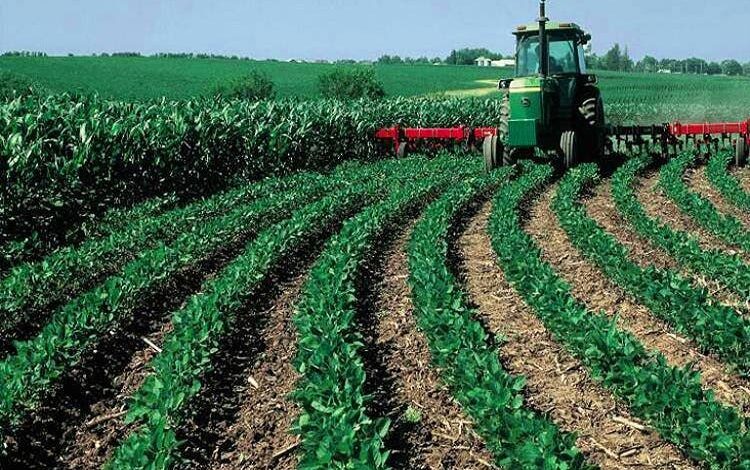
The agricultural program also includes the development of direct sowing over an area of 540,000 hectares. To support this initiative, 184 seeders are to be acquired for agricultural cooperatives.
This technique involves planting seeds into the soil without prior plowing. It helps limit the disruption of farmland and contributes to soil moisture preservation, a crucial factor in the context of variable precipitation patterns.
Precipitation: A Determining Factor for Yields
Despite the measures taken to support farmers, the outlook for the campaign will remain closely tied to climatic conditions. Water availability and the distribution of rainfall throughout the growing cycle will be critical for crop development and yield levels.
This dependence is particularly significant in low-irrigation agricultural zones, where precipitation is essential for the growth of cereal and forage crops.
The mobilization of seeds, reduction of subsidized prices, and development of direct sowing thus serve as key levers to support the commencement of the agricultural campaign. However, their effectiveness will depend on the evolution of weather conditions in the coming months.