
Brass, Copper, and Zinc: Morocco Restricts Exports for Two Years
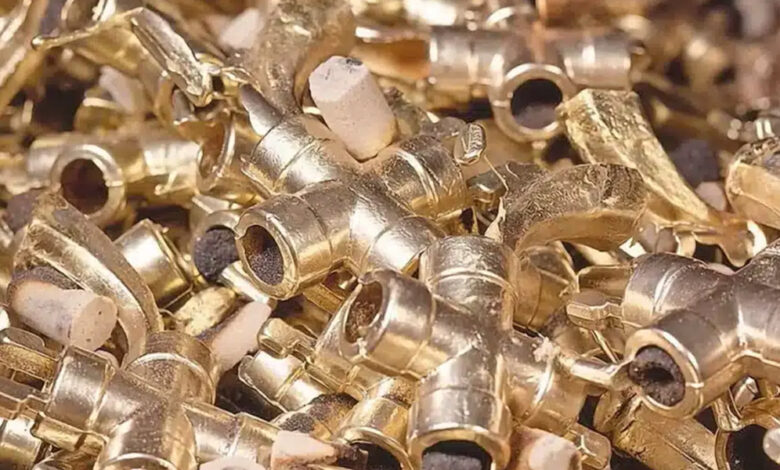
The Moroccan government has decided to strengthen control over the export of copper alloy ingots amid heightened international tensions surrounding strategic metals. An order published in Official Bulletin No. 7506 on May 7, 2026, has now included these products in the list of goods subject to quantitative export restrictions. Signed by the Ministry of Industry and Trade, this regulation modifies existing rules that have been in place since 1994 and will remain in effect for a period of twenty-four months, until May 2028.
Specifically, Moroccan operators will now need to obtain prior authorization before exporting copper alloy ingots. These materials, particularly brass, which primarily consists of copper and zinc, are widely used across several industrial sectors including precision engineering, electricity, plumbing, and jewelry manufacturing.
Previously, only certain specific products were subject to this type of restriction. Several observers suggest that the temporary nature of this measure indicates that the authorities are mainly responding to a circumstantial situation linked to growing pressure on global non-ferrous metal markets. The increase in international demand, particularly driven by energy transition and the development of green technologies, is intensifying tensions around copper, which has become essential for the production of electric cables, charging stations, solar panels, wind turbines, and electric vehicles.
In this context, several producing countries have already tightened their control mechanisms to protect their domestic markets and combat smuggling networks. Although Morocco does not have large-scale copper mining production, the kingdom imports this raw material for local processing before re-exporting it in the form of alloys. Thus, the authorities aim to better regulate the flow of these processed products in order to secure domestic market needs and limit speculation risks.
This new decision falls within a broader trend observed in Morocco over recent years. Authorities have gradually tightened control mechanisms on several categories of products deemed sensitive, including metal waste, certain chemicals, weapons, and cultural goods. This approach serves a dual purpose: to protect national strategic resources and to enhance the country’s compliance with international standards regarding goods traceability, particularly in the context of free trade agreements.
For now, the order establishes the principle of quantitative restrictions without specifying the concrete implementation details. Several questions remain regarding the authorized quotas, the criteria for granting permits, processing times for applications, and sanctions for non-compliance with the regulations. These elements are expected to be detailed in future implementation texts.
Meanwhile, the Ministry of Industry and Trade will be responsible for issuing the necessary authorizations. Affected exporters will need to incorporate this new administrative procedure to avoid having their goods blocked at the borders, in a sector already heavily exposed to fluctuations in international metal prices.