Casablanca: A New High-Speed Train Station South of the City to Strengthen the Rail Network
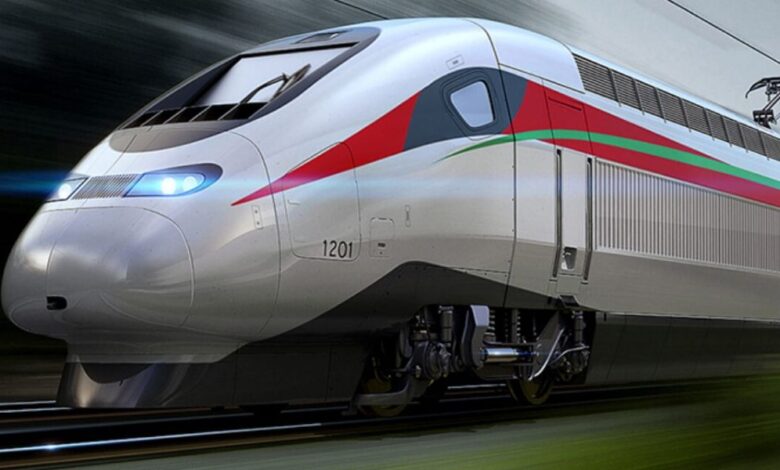
Morocco continues its ambitious transport infrastructure projects with the awarding of the construction contract for the Casablanca South station, dedicated to the high-speed train, to Sogea Maroc. This initiative is part of a broader strategy aimed at modernizing and expanding the national railway network.
The goal is to support the rapid evolution of mobility in Morocco, particularly in major cities that are experiencing significant demographic and economic growth.
An Investment of 945 Million Dirhams
The total cost of this project is estimated at approximately 945 million dirhams, excluding taxes. This significant investment reflects the Kingdom’s commitment to enhancing its railway transport capabilities and responding to the ongoing rise in mobility demand.
Construction work is expected to span approximately 24 months, with service anticipated to commence at the end of this period, in line with the required technical and safety standards.
A Capacity to Accommodate 12 Million Passengers Annually
The future Casablanca South station will feature an estimated capacity of nearly 12 million passengers per year, establishing itself as a strategic hub within Morocco’s high-speed train network.
This new facility is expected to strengthen connections between Casablanca and the country’s major cities while improving the flow of rail traffic.
Reducing Congestion at Existing Stations in Casablanca
One of the primary objectives of this new infrastructure is to alleviate the pressure on the current stations in the economic capital, which are experiencing heavy foot traffic.
The project also aims to enhance mobility within Casablanca and towards other regions, supporting the urban and economic growth of the metropolis.
A Further Step Towards Sustainable Mobility
This project aligns with Morocco’s strategy to develop a more sustainable and modern transport system, particularly through the expansion of the high-speed railway network.
Through these investments, the Kingdom reaffirms its ambition to enhance the quality of public services and improve its regional and international appeal, while solidifying its position as a leader in transport infrastructure in Africa.