
Cereals: The Government Reinstates Import Tariffs
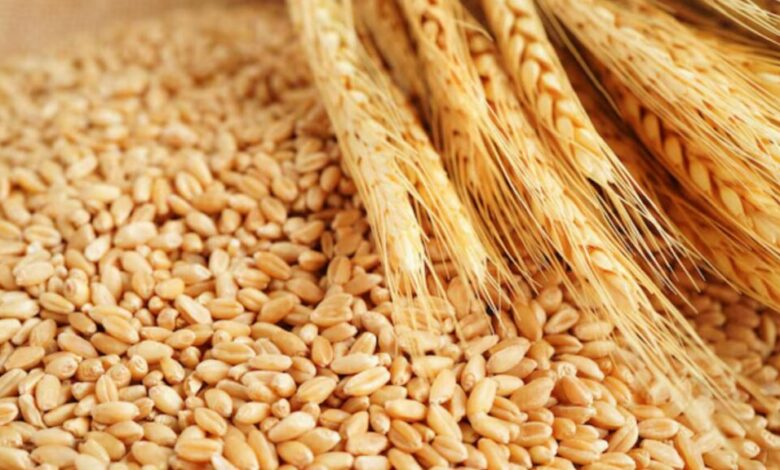
Government Reinstates Tariffs on Certain Grain Imports
The government has decided to reestablish tariffs on certain grain imports, following a period of suspension aimed at stabilizing the market and ensuring national supply.
This measure comes amid a gradual improvement in supply conditions on the international market, particularly for the main grains consumed in Morocco.
A Decision Linked to Global Market Developments
The reinstatement of tariffs is part of a gradual adjustment in import policy. After several months of tension regarding global prices and supply chains, authorities believe that the market now allows for a return to a more traditional framework for imports.
The goal is to support price stabilization while avoiding prolonged dependence on subsidized or exempted imports.
Balancing Protection and Price Stability
This decision aims to strike a balance between two imperatives: ensuring the protection of domestic production and maintaining accessible prices for consumers.
Morocco regularly employs mechanisms for the suspension or adjustment of tariffs on grains to address fluctuations in international markets and climatic uncertainties affecting local production.
A Flexible Import Management Strategy
The Kingdom’s grain policy relies on a flexible approach, activated based on market conditions. When international prices rise sharply or national supply is insufficient, tariffs are suspended to facilitate imports.
Conversely, when the situation stabilizes, authorities reinstate tariffs to support the local agricultural sector and maintain overall economic balance.
A Strategic Issue for Food Security
Grains hold a central role in food consumption in Morocco, making their management a key strategic concern for public authorities.
Thus, customs policy serves as an essential lever to ensure the country’s food security while supporting domestic producers amid significant volatility in global markets.
Continuity in National Agricultural Policy
Such measures align with the ongoing frameworks established in recent years to regulate the grain market, particularly through imports, storage mechanisms, and tariff adjustments.
The government continues its strategy to strengthen the resilience of the agricultural sector against external shocks and fluctuations in international prices.