Morocco Accelerates Its Water Strategy with Africa’s Largest Desalination Plant
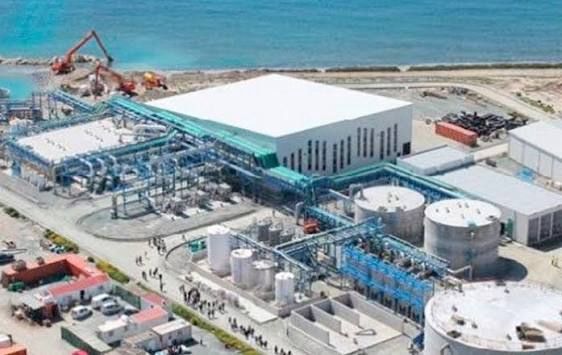
Morocco is continuing the rollout of its major water projects with the construction of the future desalination plant in Casablanca, regarded as the largest in Africa and one of the most significant in the world. Launched in June 2024 in Lamharza Essahel, this strategic undertaking aims to sustainably enhance the Kingdom’s water security in the face of climate challenges and the growing pressure on water resources.
Exceptional Production Capacity
According to project data, the plant will ultimately produce 300 million cubic meters of water per year, with 250 million dedicated to drinking water supply. This infrastructure will provide for nearly 7.5 million residents in the regions of Casablanca, Settat, Berrechid, and surrounding areas.
The project is being carried out under a public-private partnership with the National Office of Electricity and Drinking Water, with a total estimated investment of 6.5 billion dirhams.
A Comprehensive Infrastructure Network
In addition to the desalination plant, the program includes an extensive water transportation network comprising 130 kilometers of pipelines and three pumping stations, requiring an additional public investment of 3 billion dirhams.
The first phase of the project, with a capacity of 200 million cubic meters per year, is expected to be completed by the end of 2026, while the second phase is scheduled for mid-2028. To date, the progress rate of the works is estimated at approximately 50%.
100% Renewable Energy Supply
In line with energy transition and sustainability goals, the plant will be entirely powered by renewable energy from a 360 MW wind farm located in Dakhla.
Through this landmark project, Morocco reaffirms its commitment to anticipating the effects of water stress by investing in innovative and sustainable solutions to ensure access to drinking water for future generations.