Port of Casablanca: ANP Halves Congestion and Accelerates Infrastructure Modernization
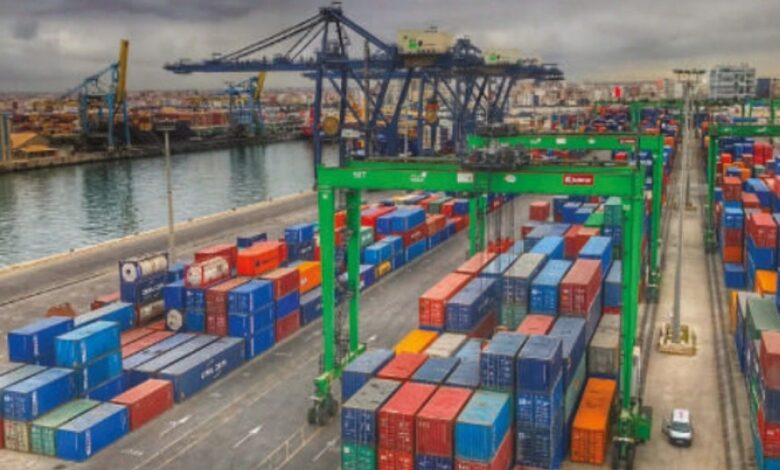
The National Ports Agency (ANP) has announced a significant improvement in operational conditions at the Port of Casablanca, thanks to an enhanced management system implemented in collaboration with all port stakeholders. Despite challenging weather conditions and a substantial increase in traffic, congestion has been reduced by approximately 50%. Several major projects have also been initiated to strengthen the port’s capacity by 2030.
Enhanced Mobilization in Response to Exceptional Circumstances
Since December 2025, the Port of Casablanca has faced a series of challenges that have heavily impacted its operations. These include particularly unfavorable weather conditions, with 38 days of delays due to strong swells and heavy rainfall, as well as an operational incident that occurred in February 2026.
Additionally, there has been a sustained increase in the importation of grains and livestock feed, of which the port handles 60% and 70% of the national supply respectively, alongside exceptional traffic linked to major infrastructure projects initiated as part of Morocco’s preparations for 2030.
A System to Streamline Port Operations
To mitigate the effects of these challenges, the ANP has implemented a management system in coordination with various port stakeholders, incorporating several measures.
The Agency has notably enhanced the monitoring of vessels in the harbor and at dock, optimized berth assignments, and instituted stricter controls on the deadlines for the evacuation of goods.
Furthermore, priority has been given to vessels transporting empty containers as well as bulk carriers delivering strategic products, particularly grains and livestock feed.
Notable Improvement in Performance
Thanks to this collective effort, the Port of Casablanca is currently reporting significantly improved indicators.
The ANP indicates that congestion levels have decreased by nearly 50% compared to previous months. Waiting times for container ships and roll-on/roll-off vessels have returned to normal, while bulk carrier delays are showing gradual improvement.
These results demonstrate the port’s capacity to handle exceptional activity while ensuring the continuity of national supply chains.
Major Investments to Prepare for 2030
Alongside these operational measures, the ANP is pursuing an extensive modernization program for the Port of Casablanca.
Key ongoing projects include the expansion of the container terminals operated by Marsa Maroc and the TC3 terminal, which will increase the port’s overall capacity to 2.2 million TEUs by 2030, up from the current 1.3 million.
The program also includes deepening the multipurpose terminal operated by Marsa Maroc to accommodate larger vessels, constructing new storage facilities for livestock feed, reconfiguring the mineral terminal, and continuing the digitalization of port operations and the streamlining of logistical flows.
A More Competitive Port Serving the National Economy
Through these investments, the National Ports Agency aims to sustainably strengthen the competitiveness and resilience of the Port of Casablanca.
The goal is to equip the Kingdom with a port infrastructure capable of supporting the growth of trade exchanges, backing major national projects, and addressing Morocco’s economic ambitions by 2030.