The Spiritual Soft Power of Morocco: How Religious Diplomacy Brings Morocco Closer to African Peoples
Beyond traditional economic and political levers, Morocco has been developing a unique form of diplomacy based on spirituality for several years. This approach, referred to as spiritual soft power, has become a discreet yet foundational element of Morocco’s strategy toward the African continent.
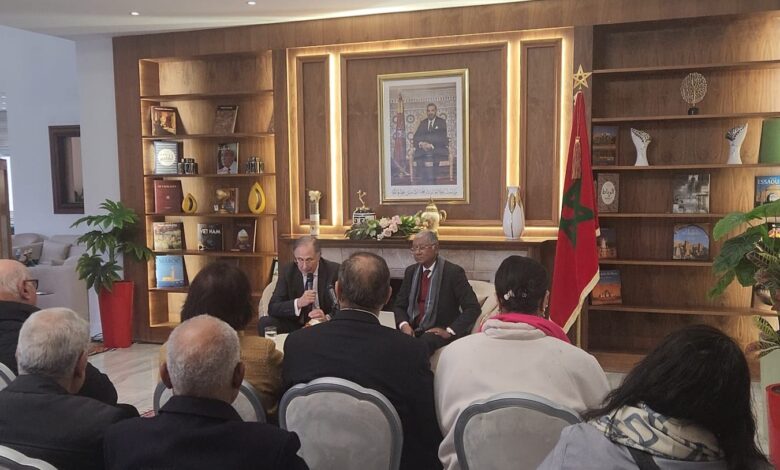
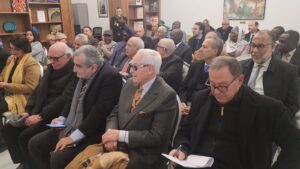
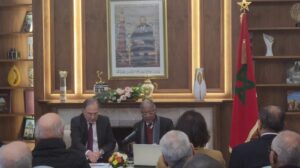
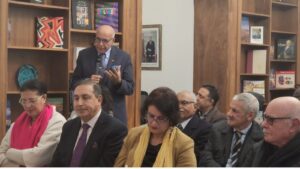
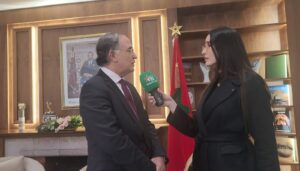
During a conference organized by the Moroccan Diplomatic Club, Ambassador Taleb Berrada shed light on the foundations and objectives of this religious diplomacy, which he presented as a tool for sustainable rapprochement with African peoples.
An Influence Rooted in History and Values
Morocco relies on a historically entrenched religious model founded on Sunni Islam of the Maliki rite, Ash’arite doctrine, and Sufism. This triad, recognized for its balance and moderation, lends the Kingdom a unique credibility in an African context marked by religious diversity and challenges linked to extremism.
This spiritual legitimacy allows Morocco to develop a non-coercive influence, based more on trust, the transmission of religious knowledge, and the sharing of common values than on traditional power dynamics.
Religious Diplomacy as a Tool for South–South Cooperation
In practical terms, this diplomacy materializes through various initiatives, including the training of African imams in Morocco, cooperation between religious institutions, and the regulation of the religious sphere with a view to stability and the prevention of radicalization.
The stated objective is not the exportation of a singular religious model, but rather the promotion of a moderate Islam capable of adapting to local realities while strengthening cultural and human ties between Morocco and African societies.
A Strategic Lever with Multiple Stakes
In a continent where security, identity, and social issues are closely intertwined, Moroccan religious diplomacy emerges as a complementary instrument to traditional economic and diplomatic policies. It allows the Kingdom to engage not only with states but also with peoples, thus deepening its African partnerships.
However, this strategy is not without challenges. Measuring its real impact, navigating the diversity of African contexts, and avoiding any instrumentalization of religion are critical considerations for policymakers.
Toward an Evolving Spiritual Diplomacy
As the younger African generations redefine their relationship with religion and identity, Moroccan spiritual soft power must continue to evolve to remain relevant. Its future will depend on its ability to combine tradition, modernity, and respect for local specifics.
By emphasizing spirituality as a means of rapprochement, Morocco asserts a long-term diplomatic vision based on dialogue and trust, at the heart of its commitment to Africa.