Architects Denounce Legal Injustice and Call to Save the Profession from Marginalization
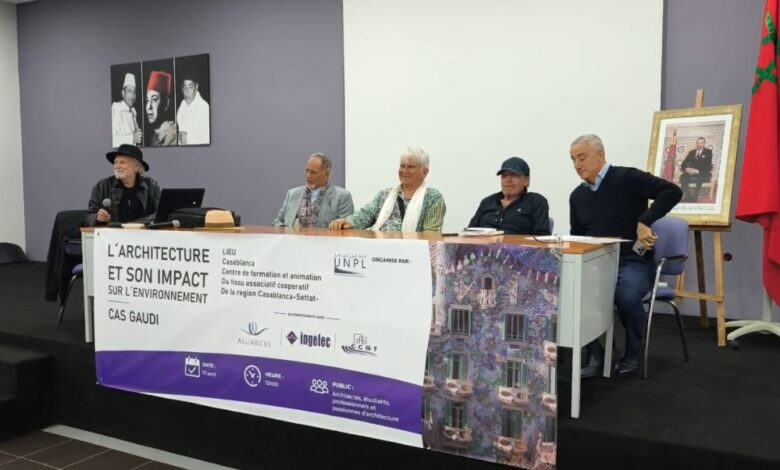
Casablanca Hosts Scientific Conference on Urbanism and Environmental Impact
On Friday, April 17, the city of Casablanca hosted a scientific conference organized by the National Union of Private Architects (SNAP) under the theme "Urbanism and Its Impact on the Environment." This meeting served as a platform for architects to discuss the constraints of their profession, the dysfunctions within the urban planning sector, and to express the depth of the crisis facing architects in Morocco. The proceedings culminated in a strong call for urgent reform, denouncing what the professionals describe as “legal injustice” and revitalizing the role of architects.
Through presentations by professionals and experts, the conference highlighted the accumulation of structural imbalances affecting the sector. Key issues included the weakness of the legal framework governing the profession, the absence of fair competition conditions, and the diminishing role of architects in the urban planning process. In many cases, this situation has reduced the architects’ mission to merely signing plans, without effective involvement in the oversight and execution of projects.
In this context, Hassan El Menjra, president of the National Union of Architects, emphasized that the profession is facing unprecedented challenges that threaten its position and central role in urban development. He pointed out that the lack of effective legal protection paves the way for practices that undermine the profession and strip it of its substance, stressing that the dignity of architects is currently being tested in a context marked by disorder and unregulated overlaps of competencies.
He further noted that limiting architects to signing plans, without allowing them to oversee construction sites, represents one of the most evident forms of professional injustice. This situation not only affects the architects’ condition but also threatens the quality of projects and the safety of constructions, thus entrenching a systematic marginalization of their role.
Ali Gassous, the union’s vice president, also highlighted the state of disorder in the sector due to weak control mechanisms and lack of rigor in the enforcement of laws. He indicated that numerous projects are carried out outside the required technical norms and standards, negatively affecting the urban landscape and posing serious risks to citizen safety.
Gassous presented concrete examples from professional practice, illustrating the extent of the constraints architects face, whether in public administration or in the private sector. He insisted that the lack of equal opportunities and the persistence of forms of professional discrimination raise serious questions about the future of the profession in Morocco.
Beyond diagnosis, the conference led to a series of practical recommendations, at the forefront of which was the call for a comprehensive review of the legal framework governing the profession of architecture, to ensure the protection of professionals’ rights and to strengthen their position in the urban planning process. Participants also stressed the necessity of requiring architects to oversee construction sites as an essential condition to ensure the quality of constructions and the safety of projects.
Moreover, speakers called for strengthening control and accountability mechanisms, ending the prevailing laxity in the sector, and combating all practices that marginalize national competencies in favor of quick solutions at the expense of quality and professional standards.
The conference also served as an opportunity to alert attendees to the serious consequences of the status quo, which does not only harm the profession of architecture but directly impacts the quality of urban life and environmental and territorial balance. Participants unanimously affirmed that rehabilitating the architect is a fundamental lever for establishing sustainable urban development, based on quality, innovation, and adherence to standards.
In conclusion, architects expressed their hope that the government and Parliament would respond favorably to these demands, emphasizing that the current context requires courageous decisions capable of restoring trust and resolving the existing dysfunctions. They warned that continued inaction would only worsen the crisis and pave the way for further erratic developments in a vital sector directly linked to citizens’ safety and well-being.
The message emerging from this conference is unequivocal: there can be no balanced urban development without a fully empowered architect, legally protected, and capable of fulfilling their roles in design, oversight, and control. Any genuine reform of the urban planning sector inevitably begins with the rehabilitation of this profession and the end of the injustices that it has endured for years.