
Morocco Accelerates the Digitalization of the Fisheries Sector to Secure Its Exports
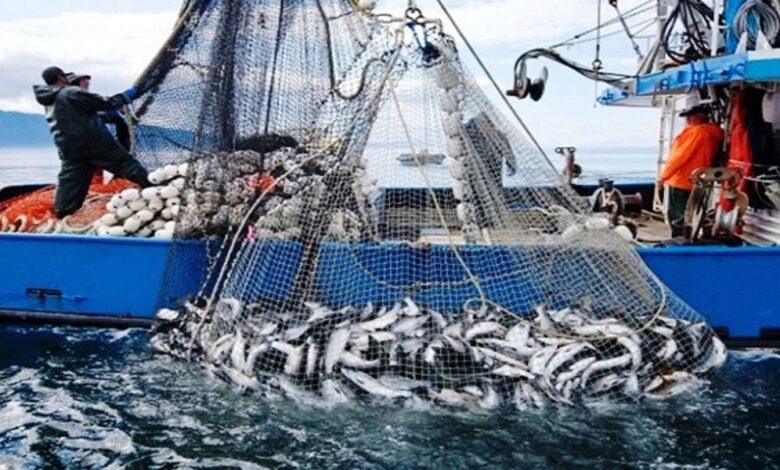
The maritime fishing sector in Morocco is entering a new phase of digital transformation. Authorities are now relying on advanced technological tools to enhance the monitoring of fishing activities, improve the transparency of operations, and meet the growing demands of international markets, particularly in Europe.
Supported by the State Secretariat for Maritime Fishing, this modernization project aims to create a digital ecosystem capable of centralizing all data related to the industry. The stated ambition is to establish an intelligent system that ensures traceability of seafood products, vessel control, and effective information management among the various stakeholders in the sector.
A Digital Reform for Sustainable Fishing
This initiative is part of the ongoing reforms within the “Halieutis” strategy, which aims to enhance the sector’s competitiveness while ensuring the preservation of marine resources.
The future system will notably allow tracking the journey of catches from their extraction at sea to their commercialization or exportation. Authorities aim to strengthen data reliability, reduce fraud risks, and improve control mechanisms.
Digitalization will encompass several strategic segments: fishing licenses, catch declarations, transshipment authorizations, health certificates, quotas, and monitoring of landings.
The European Market at the Heart of Challenges
The evolution of international regulations is driving Morocco to expedite this digital transformation. The European Union, the primary market for Moroccan seafood exports, is now imposing stricter standards regarding certification and traceability of fishery products.
Exporters will be required to provide more detailed data about the origins of catches, fishing zones, and associated logistics operations. In this context, electronic systems are becoming essential to ensure that Moroccan products comply with international standards.
Thus, the Kingdom aims to strengthen its position in foreign markets while enhancing the credibility of its fishing sector.
Real-Time Monitoring of Fishing Vessels
The project also includes the deployment of maritime surveillance tools based on satellite tracking and real-time data transmission from vessels. This technology will provide authorities with real-time visibility over the movements of the national fleet.
Control services will therefore be able to detect suspicious activities more quickly and bolster the fight against illegal, unreported, and unregulated fishing, which poses a major challenge to the sustainability of marine resources.
Morocco currently boasts several thousand vessels and artisanal boats operating along its coastlines, making the adoption of large-scale digital solutions essential.
Towards a Connected Governance of the Fishing Sector
Beyond control, authorities aim to build a more integrated and interconnected governance structure. The future system will need to communicate with several national institutions, including Customs, the National Food Safety Authority (ONSSA), the National Office of Fisheries, and specialized research organizations.
This digital transformation is also expected to streamline administrative procedures and enhance Morocco’s ability to leverage strategic data related to the fishing sector.
With this project, the Kingdom reaffirms its commitment to sustainably modernize maritime fishing and adapt its model to new international standards of competitiveness and sustainability.