Peru Purchases $24 Million Worth of Phosphate from Morocco
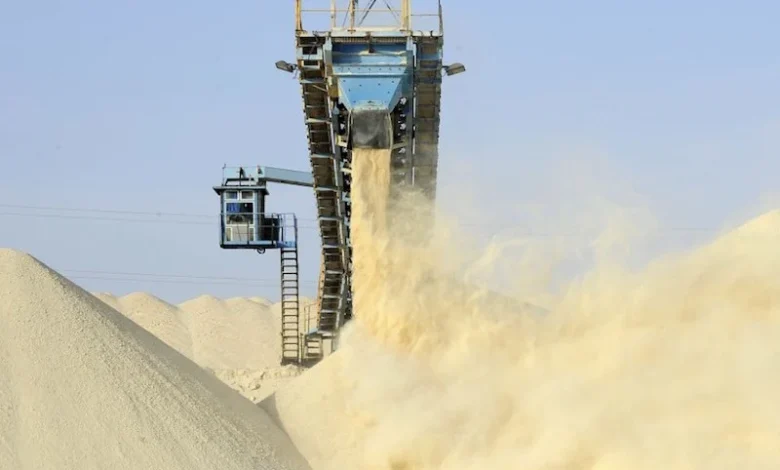
Between January and July 2026, Pérou imported approximately $24 million worth of calcium phosphate from Morocco, according to data from the Center for Research on Economy and Global Affairs (CIEN) of the Association of Exporters of Peru (ADEX), based on statistics from Sunat.
However, this amount reflects a slight decline of 5.3% year-on-year, in a context where overall Peruvian imports are experiencing strong growth.
Quimpac Dominates Moroccan Purchases
The imports were mainly conducted by Quimpac S.A., a Peruvian group specializing in mineral chemistry. In the first seven months of 2026, the company imported goods worth $24.2 million, representing a decrease of 4.8% compared to the same period in 2025.
Calcium phosphate alone accounts for $24 million, nearly 99.2% of the purchases reported by Quimpac.
Country data also indicates that Morocco is the leading supplier to the company during this period, with around $24 million in imported products. The near-exact match between purchases of calcium phosphate and Moroccan supplies confirms the overwhelmingly dominant role of this product in trade between the two parties.
Morocco Dominates Quimpac’s Supplies
Quimpac’s purchasing structure appears particularly concentrated. Of the $24.2 million in imports made by the group, only about $200,000 corresponds to other products or origins.
Thus, Morocco alone represents almost all of Quimpac’s supplies during the studied period.
This performance comes as Peruvian imports in the non-metallic mining sector reached $576.4 million between January and July 2026, an increase of 13% year-on-year.
Not all products, however, have followed the same trajectory. Imports of silicates and kieserites, in particular, have recorded significant growth, while purchases of calcium phosphate made by Quimpac from Morocco have decreased by 5.3%.
Peruvian Imports Exceed $41 Billion
The purchase of Moroccan phosphate occurs in a context of strong growth in Peru’s foreign trade.
Between January and July 2026, Peruvian imports reached $41.835 billion, marking a 21.9% increase year-on-year. This is the highest level recorded for a comparable period in twenty-seven years, according to the CIEN-ADEX report.
The month of July alone accounted for $7.076 billion in imports, up 32.9%. This trend extends a growth dynamic that has persisted for 22 consecutive months on a year-on-year basis.
Raw materials and intermediate goods represented the main category of imports, totaling $19.640 billion, ahead of capital goods and construction materials at $13.076 billion.
Maritime Transport Dominates Trade
Maritime trade plays a central role in supplying the Peruvian market. In the first seven months of 2026, 85.4% of the country’s imports were transported by sea.
Goods arriving by sea accounted for $35.726 billion, a 23% year-on-year increase. This configuration underscores the importance of maritime routes in trade between Peru and its main international suppliers, including Morocco.
For the Kingdom, the increase in these flows also confirms the attractiveness of its phosphated products in Latin American markets. Despite the slight decline recorded year-on-year, the $24 million of calcium phosphate imported by Quimpac highlights Morocco’s significant role in supplying this Peruvian company.