The African Development Bank Unveils $68 Million for Madagascar: A Bet on Reform and Resilience
The Board of Directors of the African Development Bank (AfDB) has recently approved a funding envelope of $68 million for Madagascar as part of the second phase of the Financial Management and Economic Resilience Support Program.
This financial arrangement consists of two concessional credit lines: $27.2 million from the African Development Fund and $40.8 million from the Transition Support Facility. With this additional funding, the cumulative investment over the two phases of the program now amounts to $136 million, making it one of the largest budgetary support contributions ever provided to the island nation by the pan-African institution.
The new commitment builds on previous accomplishments rather than starting afresh. The first phase of the program has yielded tangible progress for Malagasy households and the economy: a modernized tax administration system now covers the entire territory, and a national anti-corruption strategy, complete with accountability mechanisms, has been deployed, targeting an implementation horizon of 2030.
The forthcoming phase aims to deepen and expand these gains by addressing two simultaneous fronts: the strengthening of public financial management and the enhancement of private sector competitiveness. The dual ambition is to increase the country’s fiscal space and create an environment conducive to high-impact investment inflows.
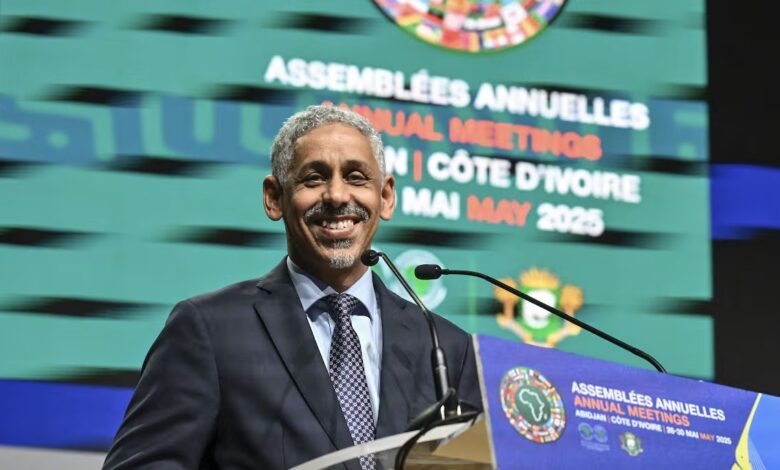
Adam Amoumoun, the AfDB’s resident representative in Madagascar, praises the determination of the Malagasy authorities. He states that despite a challenging context, the country has demonstrated the political will and institutional strength necessary to implement significant reforms. He believes this program paves the way for a more resilient, inclusive, and transparent economy that benefits all Malagasy citizens.
Beyond the budgetary sphere, the program opens several structural avenues. It plans to establish an independent electricity regulator and create a National Sustainable Energy Fund, earmarked for rural and off-grid electrification, specifically targeting areas where nearly 80% of the country’s most vulnerable populations reside. Additionally, a revision of public-private partnership legislation will provide a stable legal framework that clean energy and infrastructure investors require for large-scale commitments.
On the revenue side, specific targets are set: tax pressure is expected to rise from 10.5% to 12% of GDP by the end of 2026, indicating a projected widening of the tax base.
This disbursement comes at a crucial time. The newly installed Malagasy government, which took office in March 2026, reiterated its commitment to a reform agenda amidst a renewed mobilization of the donor community. By validating this second tranche, the AfDB sends a strong signal of confidence to Antananarivo and reinforces its role as a key partner in the economic transformation of the Great Island.