Soft Wheat: Harvest Slows in Morocco, Reviving Concerns Over Imports
Slow Start for Wheat Collection Campaign in Morocco
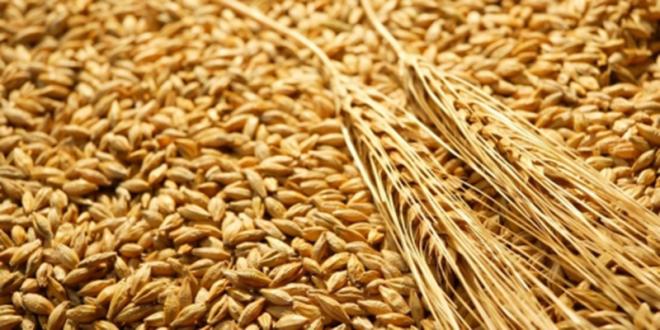
The wheat collection campaign in Morocco is off to a slower start than anticipated. As of July 2, 2026, only 3 million quintals had been received, while millers had committed to collecting between 15 and 20 million quintals during the June-July period. This situation raises concerns about market supply and the possibility of a resumption of imports in the coming months.
Several Factors Hindering Collection
According to industry professionals, multiple factors explain this delay. Harvests began later than expected in certain regions, and the lack of labor, insufficient transport means, and inadequate harvesting equipment complicate collection operations.
Millers also mention a phenomenon of retention, where many producers opt to hold onto their harvest in anticipation of a potential price increase, despite offers reaching 270 dirhams per quintal. This situation is slowing the movement of wheat to storage centers.
Renewed Focus on Imports
The low collection level has reignited discussions regarding the policy on soft wheat imports. Since June 1, 2026, Morocco has reinstated import duties at 170% to promote the sale of domestic production, a measure scheduled to last until July 31.
However, industry professionals indicate that an extension of this measure until the end of August is currently being considered, even though no official decision has been announced yet.
Call for a Quick Solution from Industry Leaders
Representatives of the sector believe that extended restrictions on imports could create new tensions if collection goals are not met.
They argue that a late reliance on international markets would expose operators to rising prices, logistical challenges at ports, and increased supply costs.
In light of this situation, professionals have requested the intervention of the Ministry of Agriculture to identify the causes of the slowdown in collection and encourage a smoother commercialization of the national harvest.
A Major Challenge for Food Security
This campaign is seen as strategic following a favorable cereal harvest, estimated at nearly 90 million quintals. Authorities aim to prioritize local production while ensuring a sufficient supply for the national market.
The progress of the collection in the coming weeks will be crucial in determining the timeline for resuming imports and balancing support for farmers with price stability for consumers.