Renewable Energy: Morocco Confirms Its Place Among Africa’s Leaders
Morocco’s Rise in Clean Energy
Morocco continues to ascend in the realm of clean energy. According to the latest data released by the International Renewable Energy Agency (IRENA), the Kingdom confirms its position as the third-largest African nation in installed renewable energy capacity, behind South Africa and Egypt.
This remarkable performance highlights the investments made over several years in energy infrastructure and the national strategy aimed at increasing the share of renewable sources in the country’s electrical mix.
Over 5.4 GW of Installed Capacity
By the end of 2025, Morocco is expected to have over 5.4 gigawatts (GW) of installed capacity derived from renewable energy sources, including solar, wind, and hydropower.
The development of these infrastructures is part of a policy to diversify energy sources aimed at reducing dependence on fossil fuels, enhancing the Kingdom’s energy security, and supporting the transition to a low-carbon economy.
Solar and Wind at the Heart of National Strategy
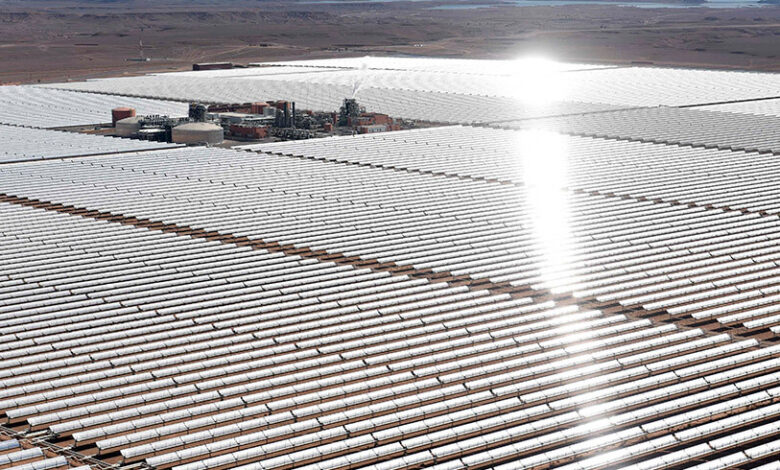
The Kingdom continues to invest in large solar and wind projects spread across various regions of the country.
Solar complexes, wind farms, and hydropower dams are now the key pillars of national green electricity production. These investments also attract international capital and foster the emergence of an industrial ecosystem related to clean technologies.
A Lever for Decarbonization and Economic Attractiveness
The rise of renewable energies supports Morocco’s decarbonization strategy, particularly driven by the industrial, phosphate, and export sectors.
The development of green electricity enhances the competitiveness of national companies, meets the new environmental requirements of international markets, and prepares the country for green hydrogen production, which is considered a sector of the future.
Strengthened Ambitions by 2030
Morocco is continuing its investments to increase the share of renewable energy in its installed electrical capacity in the coming years.
This dynamic aligns with national goals for energy transition and carbon neutrality while consolidating the Kingdom’s position as a major African hub for renewable energy and a key partner in regional energy cooperation.