The African Development Bank finances electric battery gigafactory in Morocco with €100 million.
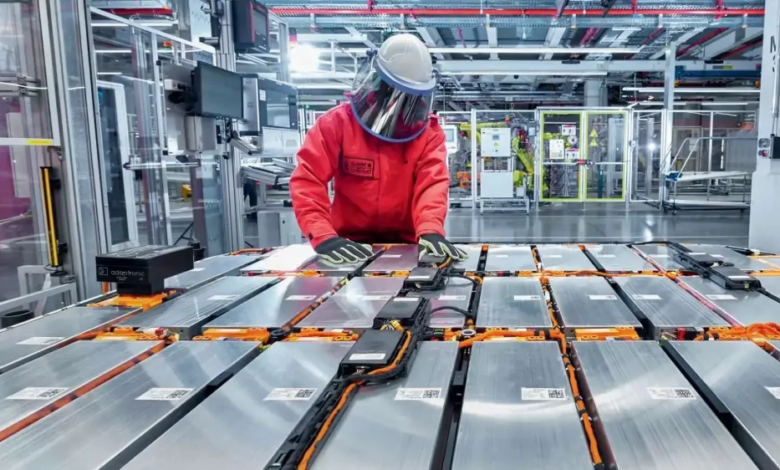
The Board of Directors of the African Development Bank Group (AFDB) has approved a loan of €100 million for Gotion Power Morocco to support the construction of Africa’s first integrated electric vehicle battery manufacturing plant in the Middle East and North Africa (MENA) region. The Bank also plans to mobilize an additional €141 million from financial partners.
According to a statement from the AFDB, the project will be carried out in the Atlantic Free Zone of Rabat-Salé-Kénitra by the Moroccan subsidiary of the Chinese group Gotion High-Tech, a leading global player in lithium battery manufacturing and energy storage solutions.
This gigafactory will cover the entire value chain of Lithium Iron Phosphate (LFP) batteries, from the production of cathode materials to the assembly of cells and battery packs, making it the first integrated facility of its kind in Africa and the MENA region.
The first phase of the project will produce 10 gigawatt-hours (GWh) of battery cells and packs for electric vehicles, with a gradual increase in capacity to 100 GWh. This investment aligns with Morocco’s ambition to become a global hub for green technologies and electric mobility.
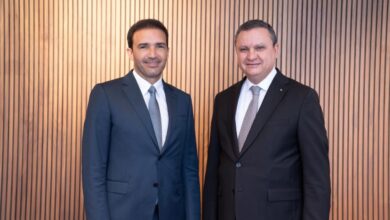
Kevin Kariuki, AFDB Vice President responsible for Electricity, Energy, Climate, and Green Growth, emphasized that this project represents a strategic investment for the future of clean energy in Africa. He noted that battery storage has become a key element in accelerating the deployment of renewable energies, particularly solar and wind, while promoting the creation of green industrial jobs and the development of low-carbon value chains.
Achraf Tarsim, the AFDB Country Manager for Morocco, stated that this gigafactory will enhance the industrial competitiveness of the Kingdom and consolidate its position as a leading African platform for batteries and sustainable mobility industries. He also highlighted its role in the local valorization of strategic minerals and the development of an integrated industrial ecosystem.
Beyond its industrial impact, the project is expected to create over 600 direct jobs from its first phase, while raising the local integration rate to 70%, thus contributing to technology transfer, national skills development, and strengthening the Moroccan industrial fabric.
This financing aligns with the African Development Bank’s strategy to support sustainable industrialization, energy transition, and economic integration of the continent, while bolstering Africa’s position in global clean technology value chains.