Sanctions Against Russia: Moroccan Phosphates Exempted by Washington
Morocco in the Heart of U.S. Political Debate over Sanctions on Russia
Morocco has found itself indirectly at the center of the political debate currently unfolding in Washington regarding a bill aimed at strengthening American sanctions against Russia. The proposed legislation includes provisions for imposing tariffs of up to 100% on countries that continue to purchase Russian oil or gas or facilitate circumvention of U.S. sanctions.
This perspective raises questions within Congress, particularly concerning potential impacts on prices and U.S. trade relations with certain partners.
Tariffs That Could Reach 100%
The bill currently under consideration in the U.S. Congress seeks to grant President Donald Trump broad powers concerning trade sanctions. The measures proposed could specifically target the five largest importers of Russian oil or gas, as well as countries identified as intermediaries in circumventing the sanctions.
China and India are among the countries most exposed to this framework. Some European partners and Japan may also be affected.
However, this expansion of the tariff powers of the White House has raised concerns among several U.S. lawmakers. Democrats, along with some Republicans, fear that the overly broad use of this tool could lead to another spike in prices in the United States.
Moroccan Phosphates Benefit from Exemption
In this context, Morocco occupies a unique position. Republican lawmakers have called for targeted exemptions to safeguard certain supplies deemed strategic for the American economy.
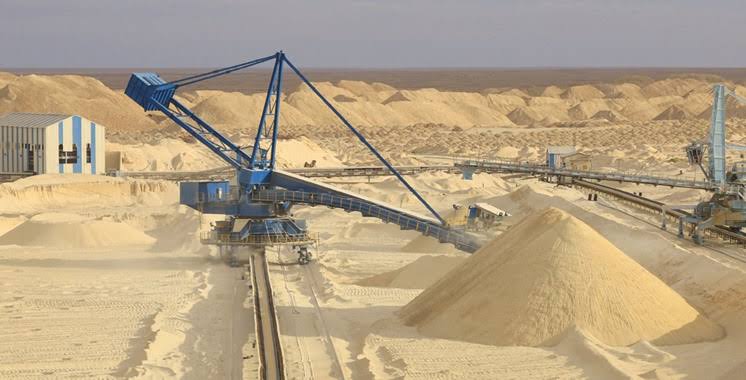
As a result, Moroccan phosphates received a temporary reprieve this week. This decision aims to prevent a worsening of supply shortages in the American market amid international tensions stemming from the war in Iran.
This exemption highlights the strategic importance of Moroccan phosphates for U.S. agricultural supply chains. It also reflects Washington’s desire to maintain certain exchanges with Rabat despite the tightening of its trade and sanctions policies.
Washington Facing the Risk of an Overly Broad Framework
Beyond the Russian issue, the debate now centers on the very scope of the proposed legislation. Several lawmakers are concerned that the bill could set a precedent by granting the U.S. president the ability to broadly target a country’s exports due to its energy relationships with Russia.
Republican Senator Rand Paul, being the only member of his party to vote against the bill during a procedural step, is eager to propose an amendment aimed at limiting the extent of the contemplated tariffs.
Other lawmakers may join this effort, particularly to prevent strategic U.S. partners from being affected by overly generalized trade measures.
A Bill Still Far from Final Adoption
The bill has already passed several stages in the Senate with significant bipartisan support. However, its adoption in the House of Representatives remains uncertain, given the impending elections in November and the persistent divisions surrounding Donald Trump’s tariff policy.
The text also provides for the possibility of the U.S. president lifting certain sanctions on Russia for national security reasons. This provision has evoked skepticism among Democrats, who wish to maintain strong pressure on Moscow and bolster U.S. support for Ukraine.
Additionally, the legislation is set to extend U.S. sanctions targeting Iran’s energy and military sectors by five years, while the White House aims to impose new tariff measures against Tehran.
Morocco Preserving Its Strategic Exports
The exemption granted to Moroccan phosphates thus places the Kingdom in a particularly favorable position within this debate. It underscores the strategic weight of its fertilizer exports for the U.S. market and their importance in agricultural supply chains.
This decision also demonstrates that, despite the tightening of American policy toward countries connected to Russia, Washington is striving to maintain certain partnerships and supplies deemed essential.
For Morocco, maintaining this exemption serves as an important signal regarding the strategic position of its phosphates in exchanges with the United States.