Morocco Strengthens Its Position in the Solar Industry with Nearly 1 GW of Production Capacity per Year
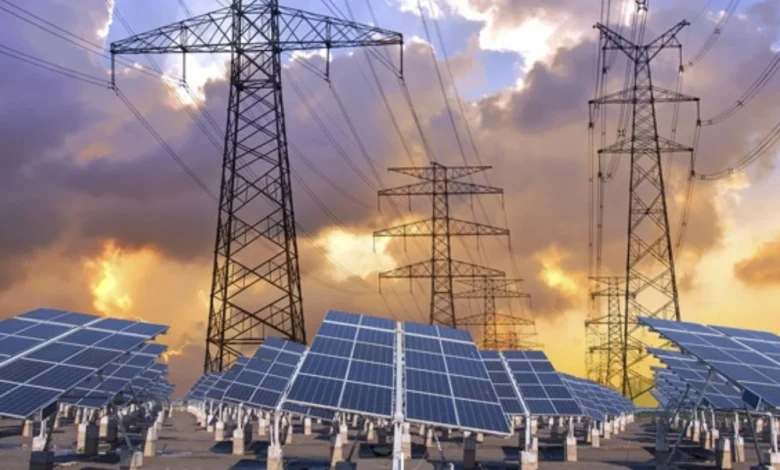
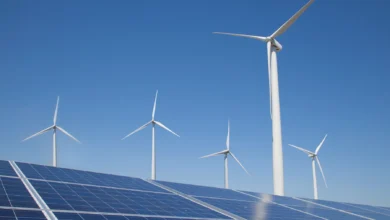
Morocco is gradually solidifying its position in the renewable energy sector by developing its capacity to produce solar equipment. According to data reported by the Washington Post, the Kingdom now boasts a production capacity nearing 1 gigawatt per year, highlighting the rise of its local industry in connection with energy transition.
This advancement comes at a time when several African countries are seeking to reduce their dependence on imported solar equipment and develop local value chains. Morocco is now among the African economies investing in the manufacturing and assembly of equipment for the solar sector, alongside South Africa, Egypt, Nigeria, and Ethiopia.
Benjamin Clark, director of policy at the African Solar Industry Association, noted that Morocco has doubled its production of solar equipment, reaching nearly 1 GW per year. This evolution reflects the Kingdom’s increasing commitment to transform energy transition into an industrial lever, rather than merely a means to boost renewable electricity generation.
Across the continent, the demand for solar equipment is rapidly growing due to demographic growth, economic development, and the urgent need to address energy deficits. Many African countries are striving to develop their own industrial capabilities, primarily starting with the assembly of panels and equipment before considering the production of more complex components.
Despite these advancements, the African solar industry still heavily relies on international supply chains. China holds a dominant position in the global production of photovoltaic cells and many essential components. Consequently, a significant portion of African installations is still dependent on imported components before they are assembled or processed on the continent.
Morocco is not entirely immune to this reality. While the growth of its industrial capabilities is an important step forward, developing a complete value chain will require further investments in the production of high-tech components, research and development, as well as the training of specialized skills.
This momentum occurs against a backdrop marked by increasing Chinese investments in African renewable energies. According to data cited by ODI Global, Chinese investments in renewable energy projects and associated infrastructure in Africa reached approximately $66 billion between 2010 and 2024. These investments help finance projects, provide equipment, and in some cases, facilitate the transfer of skills and technologies.
Simultaneously, several African countries are enhancing their own industrial capacities. For example, in South Africa, projects aim to bolster local production of solar equipment to meet substantial domestic demand. Nigeria has also increased its solar panel assembly capacity in recent years, while Ethiopia is attracting significant foreign investments in the sector.
In this evolving landscape, Morocco has several advantages that could strengthen its regional role. Its industrial base, proximity to European markets, logistical infrastructures, and experience in renewable energy projects could enable it to further develop the production and export of solar equipment to both African and international markets.
Morocco’s challenge now lies in advancing beyond simple assembly and the production of finished equipment to gradually develop a more integrated industrial chain. This includes expanding the network of local suppliers, enhancing skills development, boosting research and development, and attracting technological investments.
With a production capacity nearing 1 GW per year, Morocco is taking a significant step in building its solar industry. If this momentum continues, the Kingdom could solidify its ambition of becoming a regional hub for the production and export of clean energy-related equipment while creating more industrial added value and jobs.