
Morocco Prepares to Resume Wheat Imports to Strengthen National Stocks
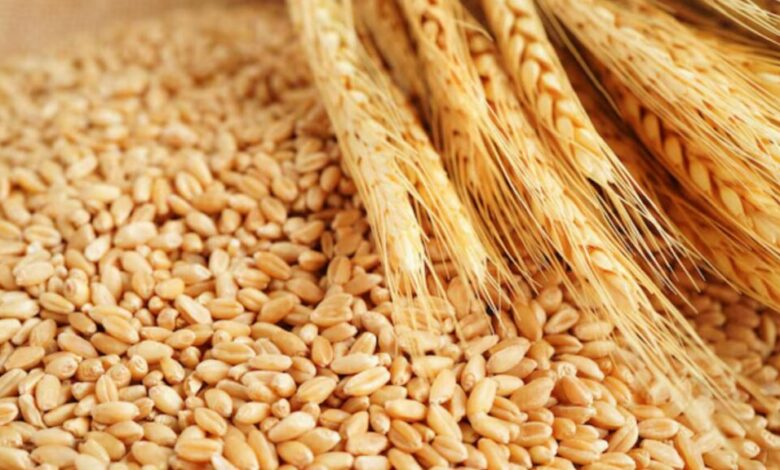
Morocco Set to Re-enter International Grain Markets to Secure Soft Wheat Supplies
After an agricultural season marked by significant improvement due to favorable rainfall, Morocco is preparing to return to international grain markets to secure its soft wheat needs. This initiative aims to bolster national stocks and ensure a steady supply to the market over the coming months.
This decision comes despite the strong growth in domestic cereal production during the current season, which has reached approximately 9 million tons—nearly double the harvest recorded in the previous campaign, thanks to improved climate conditions and the end of a nearly seven-year drought.
Imports of soft wheat are expected to resume starting September 16, following a suspension since early June. This revival reflects the national market’s need for additional volumes, particularly due to challenges faced by professionals in gathering enough local production to rebuild stocks to desired levels.
Indeed, the collection of the national harvest is facing several constraints. Some farmers have chosen to retain a portion of their production instead of placing it entirely on the market, mainly due to the repercussions of previous drought years, which prompted many producers to adopt a more cautious approach to their reserves.
Soft wheat plays a central role in cereal consumption in Morocco, given the significant domestic demand. The regular availability of this cereal thus constitutes a major challenge for industry players, especially as periods of heightened consumption approach.
At the same time, international markets currently have sufficient volumes to meet Morocco’s needs. This situation should facilitate external procurement and enable the Kingdom to strengthen its reserves during the upcoming period.
However, the smooth execution of import operations will also depend on maritime transport conditions and the evolution of international supply chains. The ability to deliver shipments to Moroccan ports within the scheduled timelines will be a determining factor.
The resumption of soft wheat imports illustrates Morocco’s strategy to combine domestic production with external supply to secure its food needs. The development of local harvests, the pace of collection, and stock levels over the next few months will help determine the scale of future import requirements.