Chinese Lighting Exports to Morocco Rise by 11%
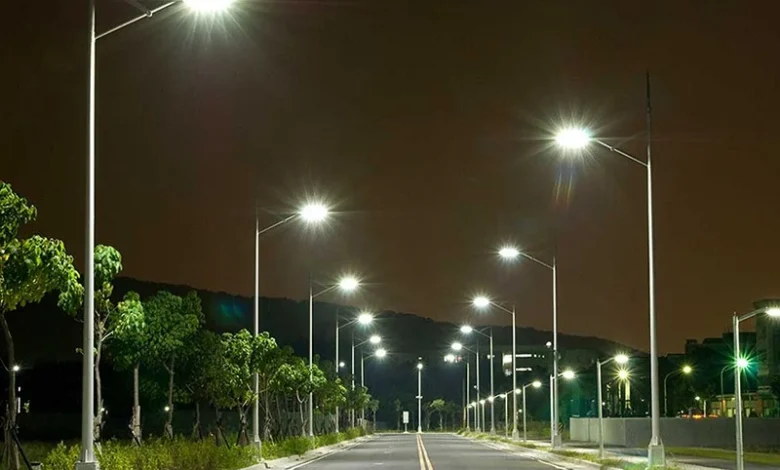
Chinese Lighting Exports to Morocco Surge by 11% in Early 2026
Chinese exports of lighting products to Morocco have seen an impressive growth of 11% during the first five months of 2026, reflecting the Moroccan market’s increasing interest in Chinese-made equipment. This development surpasses the average growth rate of Chinese lighting exports to the entire African continent, which stood at 4% during the same timeframe.
According to data compiled by Barlamane.com, exports of lighting products to Africa reached approximately $1.5 billion between January and May 2026. Morocco is among the African markets experiencing significant growth, following Côte d’Ivoire, which reported a remarkable 33% increase in imports.
Morocco Confirms Its Interest in Chinese Equipment
The 11% increase in Morocco aligns with a broader trend of rising Chinese lighting sales across multiple African markets. Nigeria, South Africa, and Egypt have also recorded an uptick in their purchases of lighting products.
The African share in Chinese lighting exports gained one percentage point year-on-year, although specific figures regarding exports to the Moroccan market have not been disclosed.
This surge comes amid contrasting global demand trends across regions. Chinese lighting exports to Europe declined by 2% in the first five months of the year, totaling around $5.1 billion, despite certain markets continuing to grow.
Notably, Spain saw a 21% rise in Chinese lighting imports, while France experienced a 5% increase, spurred on by demand related to photovoltaic installations and energy efficiency projects.
Notable Decline in the U.S. Market
The decline is even more pronounced in the American market. Chinese lighting exports to the United States dropped by 12% in the first five months of 2026, reaching around $3.6 billion.
Sales of lighting fixtures fell by 17%, while exports of electrical light sources rose by 3%. However, May marked an improvement, with an 11% year-on-year rebound.
On a global scale, Chinese lighting exports totaled $24.11 billion in the first half of 2026, reflecting a decrease of 6.8%. LED products accounted for $18.79 billion, a decline of 6.7%.
Electrical light sources generated around $2.6 billion in export revenue, down 5%, even as volumes rose by 13% to nearly 14.2 billion units. This trend suggests a decrease in average prices.
Growth in LED Components
The restructuring of global production chains is also evident in the trade of components. Chinese exports of LED modules increased by 21% in value and 44% in volume.
Pakistan, India, Vietnam, and Cambodia collectively absorbed nearly 60% of the volumes destined for the twenty primary markets, with a year-on-year growth of 37%. Egypt’s imports of these products also rose by 19%.
This dynamic indicates that demand is not limited to finished fixtures. Components and technologies for lighting infrastructure are gaining a larger share of international trade.
2030 World Cup Could Boost Sports Lighting in Morocco
The outlook is also promising for the sports infrastructure lighting segment, as various major international events drive investments in stadiums and sports facilities.
The global market for LED sports lighting is expected to reach approximately $1.45 billion by 2030. This growth is largely fueled by investments related to the 2026 World Cup, the Los Angeles Olympics in 2028, and the 2030 World Cup, which will be jointly hosted by Morocco, Spain, and Portugal.
Modern sports infrastructures must meet high technical specifications, both in terms of competition lighting and high-definition television broadcasting, including slow motion and dynamic control systems.
Chinese manufacturers are already positioning themselves in this market. Sosen, for instance, has developed new power supplies designed for sports installations compatible with various control systems.
Increased Potential with Major Moroccan Projects
The development of sports and urban infrastructures in Morocco could create new opportunities for international lighting equipment manufacturers, especially in preparation for the 2030 World Cup.
At this stage, no specific contract with Sosen in Morocco has been announced. However, the Chinese group continues to advance its industrial and technological developments, with significant investments in research and several international references in the field of sports lighting.
The 11% surge in Chinese lighting exports to Morocco thus illustrates a broader trend: the Kingdom is gradually becoming an important market for equipment intended for infrastructure, energy efficiency, and large urban and sports projects.
With the acceleration of investments related to infrastructure and the organization of major international events, the Moroccan market is likely to continue attracting Chinese and international manufacturers specializing in lighting technologies and LED solutions.