Moroccan Aerospace Exports Approach 50 Billion Dirhams
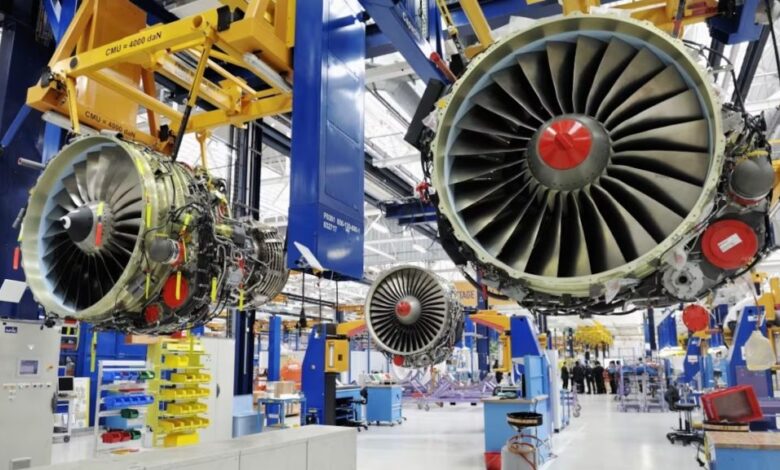
The Moroccan aerospace industry is poised to take a significant step forward in its development, with exports projected to exceed $5 billion over the next two years, compared to approximately $3 billion the previous year. This growth is driven by increased industrial investments, international demand, and the strengthening of Morocco’s position in global production chains.
According to data from the Office of Foreign Currency, the sector’s exports reached nearly 30 billion dirhams by the end of August 2026, marking a 21.5% increase year-on-year. This performance is among the most significant recorded by Moroccan export sectors.
The exports achieved during the first eight months of the year are nearly equal to the total recorded for the entire previous year, suggesting new records are on the horizon as 2026 draws to a close.
Currently, the sector is home to nearly 150 companies, as noted by Mohamed Belatik, president of the Moroccan Aerospace and Space Industries Group (GIMAS). The industry’s size has increased by 2.5 times over the last decade, with projections indicating that exports may surpass $5 billion within two years.
This evolution is largely due to the expansion of the national industrial base and the presence of major international groups, including Boeing, Airbus, and Safran, which are engaged in the manufacturing of aerospace components and the assembly of aircraft parts. These establishments bolster Morocco’s integration into the global aerospace ecosystem.
In terms of employment, the sector provides approximately 25,000 jobs, with nearly 40% held by women. This contributes to the creation of industrial jobs and the development of specialized skills.
Taoufik Moucharraf, Secretary General of the Ministry of Industry and Trade, emphasizes that Morocco has built an industrial base dedicated to aerospace in just a quarter of a century. This progress is supported by the country’s geographical position, infrastructure that meets international standards, political stability, the training of qualified human resources, and a competitive investment climate.
The sector is thus continuing its ascent, developing more specialized industrial activities with higher added value. Morocco’s ability to attract new investments, enhance local skills, and improve its production capabilities will be crucial in achieving the announced export goals.