Live Cattle: Spain Aims to Revive Exports to Morocco
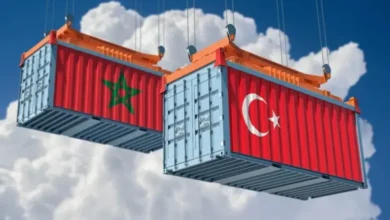
The Spanish Ministry of Agriculture is set to meet with Moroccan authorities at the end of November to discuss the conditions for resuming live cattle exports to the kingdom. These shipments, which have been suspended for over ten months due to health reasons, are critical for Spanish farmers eager to regain their primary international market.
This meeting was announced on Friday, October 16, by the Union of Small Farmers and Ranchers (UPA) following recent talks with officials from the ministry. The professional organization is calling for swift diplomatic intervention to unblock the situation.
### Morocco: A Strategic Market for Spanish Farmers
Before the suspension, Morocco was a central market for Spanish live cattle exports. According to data provided by the UPA, Spain shipped 61,715 cattle weighing over 300 kilograms to Morocco in 2024, representing 52% of its exports in this category.
In 2025, shipments reached 51,986 animals, making up 64% of the total Spanish live cattle exports. However, since the beginning of 2026, sales to the Moroccan market have plummeted to zero, depriving Spanish farmers of a vital outlet.
In light of this situation, the UPA believes that resuming exports to Morocco is imperative. The union has urged Spanish authorities to intensify their efforts with Rabat to achieve a solution that would gradually restore trade.
### Exports of Live Cattle to Morocco Plummet to Zero
Preliminary statistics from the Spanish Tax Agency (AEAT), analyzed by the Young Farmers’ Agrarian Association (ASAJA), highlight the magnitude of the losses experienced by the sector.
Between January and July 2025, Spain exported 36,316 live cattle over 300 kilograms to Morocco. In the same period in 2026, no animals of this category were shipped to the kingdom.
Across all destinations, Spanish exports of live cattle over 300 kilograms also saw a significant decline, dropping from 50,570 heads during the first seven months of 2025 to just 17,702 in the same period in 2026, a decrease of nearly 65%.
Lebanon and Italy have welcomed some of the animals that were previously destined for the Moroccan market, importing 5,993 and 5,132 cattle respectively between January and July 2026. However, according to ASAJA, these two markets are insufficient to absorb the volumes lost since the suspension of exports to Morocco.
### Spanish Beef Remains Resilient Despite the Crisis
In contrast to live animal exports, Spanish sales of fresh or chilled beef have increased during the analyzed period.
Between January and July 2026, exports of this category reached 115,660 tons, up 6.8% compared to the same period the previous year. The value of these exports amounted to €929.6 million (approximately 10.18 billion dirhams), marking a 14.9% increase.
These figures reflect a mixed evolution in the Spanish cattle sector. While meat sales continue to grow, live animal exports face the direct consequences of the closed Moroccan market.
### Spain Advocates for Regional Health Measures
The suspension of Moroccan imports occurred following outbreaks of contagious nodular dermatitis, a viral disease affecting cattle, which emerged in northeastern Spain at the end of 2025.
The UPA states that cases were only reported in Catalonia and Aragon. Based on this, the union is urging Moroccan veterinary authorities to consider the differing health situations across Spanish regions.
The proposed regional health measures would allow for the distinction between areas affected by the disease and those that remain disease-free, enabling a possible resumption of exports from unaffected regions, provided that Moroccan health requirements are met.
This approach represents the primary lever defended by Spanish farmers to break the deadlock. However, it would necessitate an agreement from Moroccan authorities and appropriate health guarantees to mitigate any risks associated with disease spread.
### Upcoming Meeting Hopes to Unblock Trade
This is not the first time that Spanish professionals have sought diplomatic intervention. Last June, the UPA had already called on Madrid authorities to act with Rabat to secure the reopening of the Moroccan market.
According to the union, the suspension of exports has caused imbalances between supply and demand in the Spanish cattle sector. The organization also reported restrictions on fresh meat and a marked decline in Moroccan purchases of frozen meat.
The meeting scheduled for the end of November could thus represent a crucial step in discussions between the two countries. The challenge will be to determine whether a partial resumption, based on the health situation in different Spanish regions, is feasible.
For Spanish farmers, regaining access to the Moroccan market would represent a vital opportunity for commercial outlets. For Rabat, any decision will prioritize the necessary health guarantees to protect the national livestock.