Morocco: Growth Could Reach 4.7% by the End of 2026
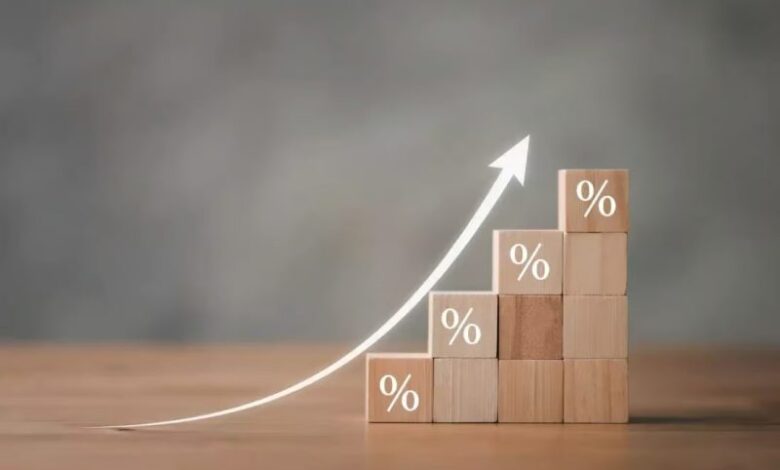
Morocco’s economy is projected to accelerate in the second half of 2026, with expected GDP growth of 4.1% in the third quarter and 4.7% in the fourth quarter, according to forecasts from the High Commission for Planning (HCP) referenced in available data. Following a growth of 4% in the second quarter, these outlooks reflect a favorable dynamic despite the ongoing uncertainties in international energy markets. The challenge remains to translate this growth into productivity gains, job creation, and a sustainable improvement in purchasing power.
An Anticipated Acceleration in the Second Half
Morocco’s economic outlook remains positive for the latter half of 2026. According to projections attributed to the HCP, growth is expected to reach 4.1% in the third quarter before accelerating to 4.7% in the fourth quarter, following a growth rate of 4% in the second quarter.
This trajectory reflects the national economy’s ability to maintain its activity in an international environment characterized by geopolitical tensions, trade uncertainties, and fluctuations in energy prices.
Domestic demand, public and private investments, as well as the dynamism of several productive sectors are among the factors likely to support economic activity. However, the realization of these expectations will depend on the evolution of the international climate and the capacity of companies to sustain their levels of production and investment.
Productivity and Competitiveness: The Key Challenges
Beyond the GDP growth rate, the central question remains the economic and social spillovers. Sustained activity growth does not automatically lead to sufficient job creation or a corresponding increase in household incomes.
Therefore, improving productivity is a major challenge for Morocco. Small and medium enterprises, which play a significant role in the economic fabric, particularly need better access to financing, investment in equipment, a wider dissemination of innovation, and skills tailored to market transformations.
The modernization of businesses and the development of higher value-added industrial activities can contribute to enhancing national competitiveness. These efforts can also facilitate better integration of Moroccan companies into international value chains.
Investments in infrastructure and new productive ecosystems represent significant leverage in this regard. However, their impact will depend on their ability to stimulate private activity, foster local suppliers, and generate sustainable jobs.
Energy Uncertainties Remain a Risk Factor
The international energy situation remains an element of concern for the Moroccan economy. Fluctuations in oil and gas prices can impact transportation costs, business expenses, and the prices of certain goods and services.
A prolonged increase in energy prices risks reducing business margins and affecting households’ purchasing power. Conversely, a more favorable market evolution could help mitigate these pressures on production costs.
In this context, diversifying energy sources and improving energy efficiency are significant economic priorities. For businesses, managing energy consumption can also enhance competitiveness and reduce exposure to fluctuations in international markets.
Growth to Consolidate in 2027
The outlook for the second half of 2026 suggests a favorable scenario for the Moroccan economy, provided that the projections are confirmed by actual performance results. Maintaining this momentum into 2027 will notably depend on the strength of productive investment, the evolution of domestic demand, and the economy’s ability to absorb external shocks.
Thus, Morocco’s challenge is not only to achieve a growth rate close to 5% but also to improve the quality of that growth. Job creation, upgrading industrial capacities, enhancing productivity, and ensuring a better distribution of economic opportunities across regions will be crucial in strengthening the positive effects of growth on living standards.
Confirmation of the anticipated acceleration in the fourth quarter would provide an encouraging signal for entering 2027. However, it will need to be accompanied by sustained efforts in competitiveness, innovation, and private sector development.