Moroccan Industry: 69% of Industrialists Consider Business Climate Normal in the Third Quarter of 2026
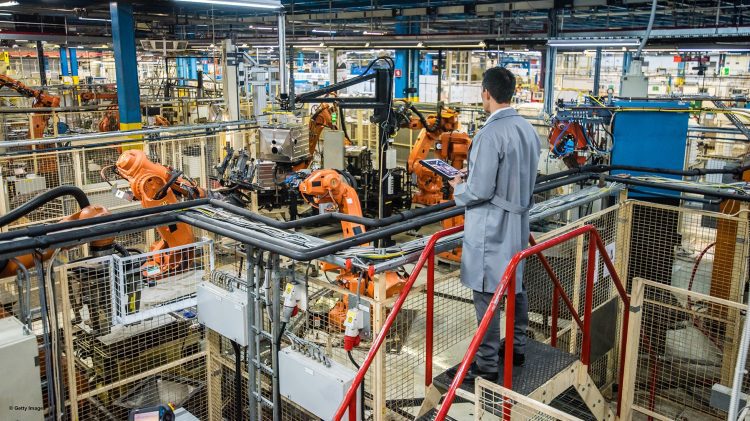
Moroccan Industry Demonstrates Relative Resilience in Q3 2026, According to Bank Al-Maghrib’s Economic Survey
Moroccan industry has shown a degree of resilience in the third quarter of 2026, according to the economic survey conducted by Bank Al-Maghrib. Nearly seven out of ten industrialists believe that the overall business climate remains normal, while 22% still view it as unfavorable, indicating the ongoing presence of various structural constraints.
The Moroccan industrial sector maintains a certain level of stability amid an economic context characterized by changes in international value chains, heightened competitiveness requirements, and the urgent need to accelerate productive investments. The results of Bank Al-Maghrib’s economic survey, published on Wednesday, November 4, 2026, affirm this trend.
According to data collected from sector operators, 69% of the industrialists surveyed consider the overall business climate to be normal, while 22% deem it unfavorable. These assessments reflect a moderate confidence in the general conditions of activity, while also highlighting the challenges that some companies continue to face.
A Stable Environment, But Persistent Constraints
This stability serves as an encouraging signal for a sector that is expected to play a central role in the structural transformation of the national economy. However, it does not imply that the obstacles to industrial growth have been removed.
Companies continue to confront issues related to access to financing, fluctuations in production costs, the availability of skilled labor, and the need to adapt to new demands from international markets.
In this context, the predictability of the economic environment remains crucial for investment decisions. This is particularly important for industrial projects that require heavy equipment, specialized infrastructure, and long-term financial commitments.
Industrial Diversification as a Lever for Competitiveness
Strengthening productive diversification is one of the primary challenges facing the national industry. Sectors such as automotive, aeronautics, agri-food, chemicals, and electrical industries contribute to broadening the industrial base of the Kingdom and bolstering its export capacities.
However, sustaining this momentum requires better integration of small and medium enterprises into subcontracting chains. It also necessitates more effective support for industrial projects located in various regions of the country.
The availability of industrial land, modernization of logistics infrastructure, and mobilization of appropriate financing mechanisms are all crucial levers to sustainably enhance the attractiveness of regions and support productive investment.
Turning Resilience into Industrial Growth
For Morocco, the challenge now lies in going beyond mere cyclical stability to place the industry on a path of sustainable growth. This will involve accelerating investment, improving productivity, strengthening local integration, and creating skilled jobs.
The results of Bank Al-Maghrib’s survey thus paint a picture of a sector that retains a certain capacity for resilience, but whose consolidation will depend on its ability to overcome structural constraints and seize new economic opportunities.