Inflation in Morocco: Why the Calm Remains Fragile
Inflation in Morocco Remains Under Control, but Concerns Persist
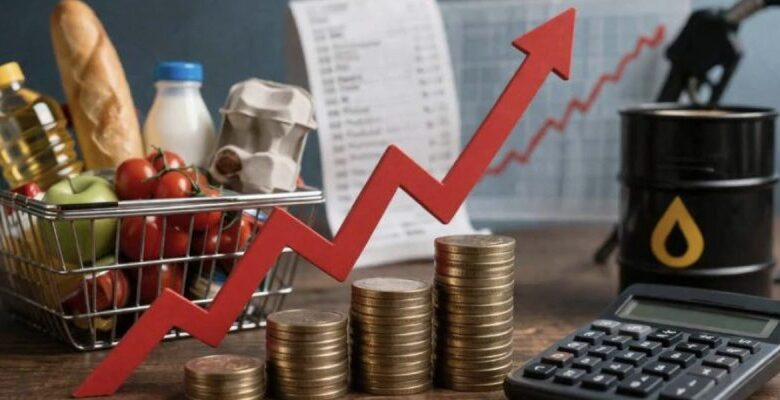
Displayed at 0.5% year-on-year in September, inflation in Morocco appears to be contained. However, the resurgence of underlying pressures, the rise in non-food prices, and the increasing dependence of households on credit serve as reminders that disinflation remains fragile.
At first glance, the price front offers a welcome reprieve. The Consumer Price Index (CPI) published by the High Commission for Planning (HCP) rose by 0.5% year-on-year in September. This contained inflation reinforces the idea of a normalization. Yet, this is only a partial view. Behind this overall index, indicators from Bank Al-Maghrib (BAM) and the HCP reveal a more delicate transition, caught between the end of favorable base effects and the persistence of imported shocks.
The Easing of Food Prices
The easing in recent months owes much to the annual decline of 2.5% in food prices, notably driven by the drop in olive oil prices. However, this trend is losing momentum. In September alone, food products rebounded by 1.6%, following a 0.9% increase in August, particularly fueled by volatile-price items—such as poultry, eggs, and vegetables—which saw a 4.3% increase.
On the non-food side, prices have risen by 2.8% year-on-year, largely driven by transportation costs, which increased by 9.4%.
More instructive for the central bank, underlying inflation—which strips out volatile and administratively controlled prices—has also started to climb: up 0.5% month-on-month, and 0.6% year-on-year. BAM’s projections tell a similar story. While the overall average is expected to remain contained at 0.7% in 2026 before rising to 1.5% in 2027, the underlying inflation is set to accelerate sharply, moving from -0.2% this year to 2.2% next year. In clear terms, the agricultural shield is fading, and price dynamics are becoming more structural.
Energy Shock and Import Costs
The second vulnerability arises from external factors. Tensions in the Middle East are causing energy prices to fluctuate. According to forecasts cited, the national energy bill is expected to rise by 28% in 2026, reaching 138 billion dirhams.
For now, the impact on manufacturing production prices, excluding refining, remains limited: a mere 0.1% increase in September. Companies can still mitigate part of the shock, especially thanks to public support measures—such as maintaining prices for butane gas, electricity, and transportation assistance. However, these shields strain public finances and cannot indefinitely neutralize rising input costs if geopolitical conditions remain tense.
Growing Dependence on Credit for Consumption
It is on the social and demand front that the situation is becoming tenser. In the second quarter, household spending rebounded by 4.1%, compared to a mere 1.8% a year prior, supported by a 4% increase in wage income. However, this dynamism is also based on a growing reliance on debt, which saw an increase of 4.5% by the end of June.
Disinflation does not equate to falling prices, but rather a slowdown in their increase. Households are feeling the cumulative pressure of previous years’ high costs. In the third quarter, 39% of households reported borrowing or tapping into savings to make ends meet, while 63.8% deemed it an unfavorable time to invest in durable goods.
The Dilemma of Monetary Policy
As we approach the end of the year, a widespread surge in prices does not seem to be looming. However, the current calm is eroding. If imported tensions eventually affect the current expenses of households, coinciding with the waning favorable effects of agricultural prices, domestic consumption—the main catalyst for growth—may begin to slow.
For Abdellatif Jouahri and his board, the equation complicates further: balancing the necessary support for activity against the risk of inflation re-emerging through production costs and credit pressures.