Africa Trade: Morocco Becomes Nigeria’s 4th Largest African Supplier in the First Quarter of 2026
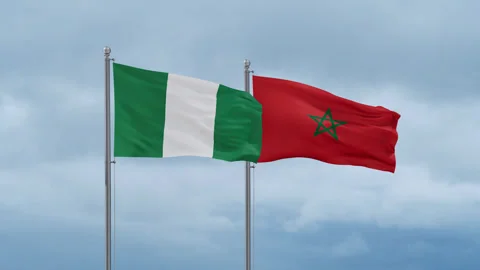
Morocco is gradually strengthening its economic presence on the African continent. According to the latest trade data published in Nigeria, the Kingdom has emerged as the fourth largest African supplier to the West African giant during the first quarter of 2026, confirming the growing commercial exchanges between the two countries.
This achievement illustrates the dynamism of Morocco’s strategy to diversify its economic partnerships in Africa and the ongoing development of its exports to sub-Saharan markets.
A Growth in Trade between Rabat and Abuja
Trade between Morocco and Nigeria has experienced robust growth in recent years, driven by strengthened economic relations and increasing cooperation opportunities across several strategic sectors.
Moroccan exports to Nigeria primarily include industrial products, fertilizers, chemicals, and various manufactured goods. This diversification allows the Kingdom to solidify its position among the main African trading partners of the most populous country on the continent.
Nigeria serves as a strategic market for Moroccan companies due to its economic weight, large population, and central role in regional trade in West Africa.
Morocco Strengthens Its Economic Positioning in Africa
This progress is part of Morocco’s policy to enhance South-South cooperation and expand intra-African trade. For several years, the Kingdom has been multiplying investments and economic partnerships across the continent, particularly in the sectors of industry, infrastructure, energy, finance, and agriculture.
Morocco’s rise in the ranking of African suppliers to Nigeria also reflects the increasing competitiveness of Moroccan offerings and the ability of domestic companies to meet the needs of African markets.
A Favorable Dynamic for Continental Trade
Morocco’s improved positioning occurs within a context marked by the development of the African Continental Free Trade Area (AfCFTA), which aims to stimulate intra-African trade and strengthen the continent’s economic integration.
With its strategic geographical location, logistical infrastructure, and the diversification of its industrial fabric, the Kingdom aims to play a leading role in this new African economic dynamic.