BAD: A First Bond Issuance of One Billion Dirhams in Morocco
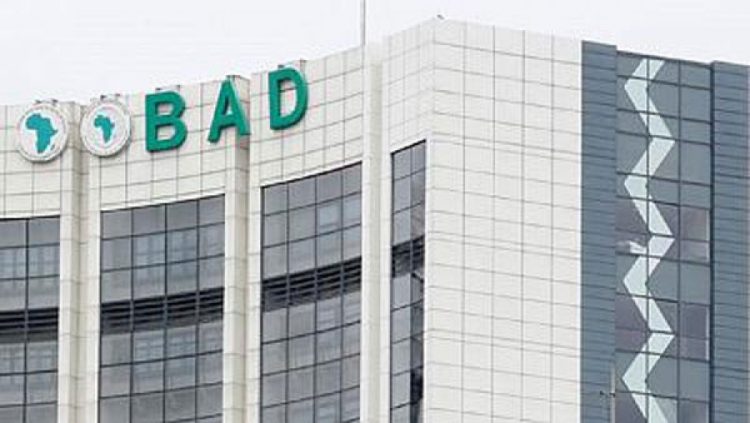
The African Development Bank Enters the Moroccan Bond Market with a $100 Million Issuance
The African Development Bank (AfDB) has made its debut in the Moroccan bond market with an initial issuance of one billion dirhams. This operation marks a significant milestone in the diversification of local currency funding sources and underscores the interest of international financial institutions in Morocco’s financial landscape.
Beyond the amount raised, this initiative serves as a positive signal for the domestic capital market by paving the way for increased participation from multilateral institutions in dirham financing.
This first bond issuance from the AfDB comes at a time characterized by substantial financing needs for infrastructure, industry, energy transition, and the development of African enterprises.
By choosing the Moroccan market, this pan-African institution contributes to diversifying the profile of issuers in the national financial arena. Its entrance could potentially enhance the interest of institutional investors in bonds issued by international organizations.
Insurance companies, pension funds, and asset managers are among the likely participants in these operations, depending on their investment strategies and the characteristics of the securities offered.
Utilizing local currency holds particular significance for development institutions. It allows for diversification of financing instruments and can help mitigate certain exposures to foreign exchange risk, depending on the operation structures and the use of the raised resources.
At the continental level, development financing in Africa continues to face several challenges, including the cost of capital, the availability of long-term resources, and dependence on international financial markets.
In this context, the development of bond issuances in local markets presents a complementary avenue to mobilize available savings and broaden the financing options for economic projects.
Casablanca’s financial market possesses several advantages to support this evolution, including a well-structured banking sector, a base of institutional investors, and established market infrastructures.
The AfDB’s operation could thus incentivize other international institutions to explore the financing opportunities provided by the Moroccan market for their local currency needs.
For the national economy, the deepening of the bond market could also lead, in the long run, to a better channeling of savings towards productive investments, particularly in industrial sectors and infrastructure.
However, the scope of this operation should be assessed with precision. The bond issuance primarily serves as a resource mobilization effort in the Moroccan financial market. It does not automatically mean that the one billion dirhams collected will be directly allocated to industrial projects or investments conducted in Morocco.
The outcomes will depend significantly on how the funds are utilized and the financing operations that the AfDB may undertake afterward.
In the longer term, the proliferation of such initiatives could bolster the depth of the national bond market and reinforce Casablanca’s role as a capital mobilization hub serving African economic development.