Hyundai Motor: One-Day Strike Amid Wage Tensions and AI Concerns
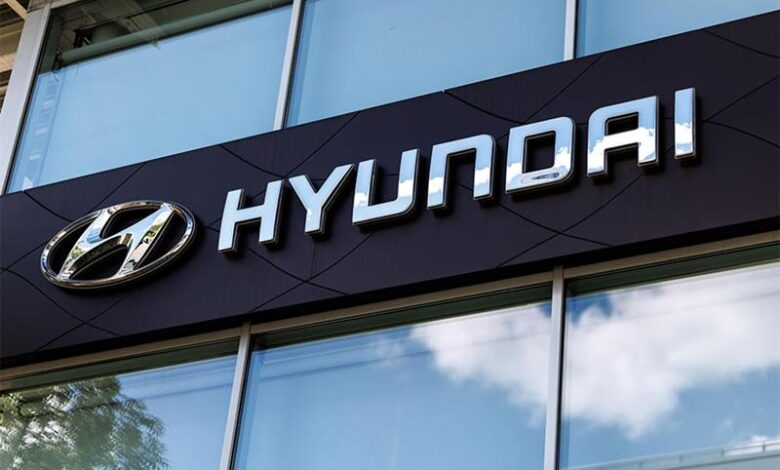
Hyundai Motor Workers Strike for the First Time in a Decade
Tens of Thousands of Employees Participate in One-Day Strike
On Friday, several tens of thousands of workers at Hyundai Motor in South Korea ceased work, marking the automaker’s first one-day strike in a decade.
This movement is expected to impact production across the group’s various factories. While the demands primarily focus on wages and working conditions, this mobilization also arises amidst growing concerns regarding automation, artificial intelligence, and robotics.
40,000 Employees Mobilized
The union estimates that approximately 40,000 employees participated in this day of strike.
Among the main demands is a 50% increase in performance bonuses, as well as a two-year extension of the retirement age.
Hyundai’s management, which has been in negotiations with union representatives since May, rejected these demands. Shorter strikes had already occurred in July, involving four-hour work stoppages over three days.
This latest mobilization thus marks an escalation in the social conflict between the automaker and its workforce.
Humanoid Robots at the Heart of Concerns
Behind the wage demands lies a broader question regarding the future of industrial jobs.
Hyundai plans to begin deploying humanoid robots in its American factories by 2028. As of now, no similar timeline has been announced for the automaker’s South Korean sites.
Nonetheless, this prospect raises concerns among employees and experts about the evolution of industrial jobs and the potential impact that automation and artificial intelligence could have on employment.
The gradual introduction of robots capable of performing certain tasks on production lines could profoundly alter the organization of work within the automotive industry.
The Rise of AI Fuels Wage Demands
The conflict at Hyundai unfolds alongside a significant increase in the results of major South Korean technology companies, driven in part by the rapid development of artificial intelligence.
This trend strengthens workers’ expectations regarding compensation and the sharing of company performance.
At Samsung Electronics, employees had previously opted not to strike in May after securing an agreement that included a substantial annual bonus for some employees, linked to performance driven by the rise of AI.
A Conflict Exceeding Simple Wage Issues
Thus, the Hyundai strike comes at a pivotal moment for South Korea’s industry. Workers seek better remuneration as automakers simultaneously accelerate their investments in automation and smart technologies.
For Hyundai, the challenge now lies in balancing industrial competitiveness, technological transformation, and the social expectations of its workforce.
The current mobilization could serve as an indicator of the tensions that may accompany the increasing integration of AI and robotics into major manufacturing industries in the coming years.