
Fires in Morocco: 628 Hectares Devastated, Blaze Under Control
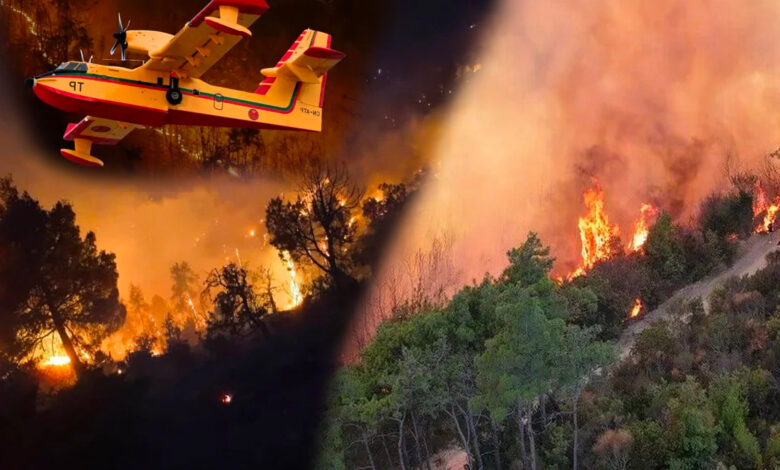
Major Forest Fires in Morocco: Updates and Responses
After a week of intense mobilization in the field, Moroccan intervention teams have succeeded in containing several of the largest forest fires recorded recently in the Kingdom. According to the latest available official data, the area affected by these fires has now reached approximately 628 hectares, marking an increase of about 30 hectares compared to previous assessments.
These figures were shared by Samir Tebarkant, head of the forest fire prevention service at the National Agency for Water and Forests (ANEF). He noted that the increase primarily occurred over the weekend as monitoring and securing operations in affected areas continue.
Fire in Taroudant Fully Encircled
The official reported that the most significant fire, located in the Slimimt forest in the municipality of Ounaïne, Taroudant province, has been tactically contained, achieving a 100% encirclement.
This fire, which ignited last Wednesday, devastated an estimated area of 403 hectares. However, intervention teams remain deployed on-site to ensure continuous monitoring and conduct necessary cooling operations until the fire is completely extinguished.
This vigilance is particularly important due to the high temperatures and significant drying of vegetation that could lead to a resurgence of flames.
Exceptional Mobilization of Emergency Services
The fight against these wildfires necessitated significant human and logistical mobilization, involving multiple national institutions.
For the Ounaïne fire in Taroudant alone, 567 responders were mobilized, comprising teams from ANEF, the Royal Gendarmerie, the Royal Armed Forces, auxiliary forces, the Civil Protection Agency, as well as local residents who came to assist in the operations.
This coordination among various actors has helped limit the spread of the fire and move toward a complete control of the situation.
In Azilal, Major Blazes in Anfek Eliminated
Regarding the Anfek forest fire in Afourar, Azilal province, the head of the forest fire service reported that all major blazes had been eliminated.
The encirclement of the fire now reaches 75%, thanks to the mobilization of 300 ground responders from various partners involved in firefighting efforts.
The intervention also benefited from significant aerial support, with the deployment of two water-bombing aircraft, Canadairs, which conducted 34 aerial sorties to slow the progression of the flames and bolster ground operations.
Three Major Fires Under Gradual Control
According to the latest official data comparisons, the cumulative area affected by the three main fires recorded last week increased from 598 to 628 hectares.
These fires include those at:
- Slimimt in Ounaîne (Taroudant province)
- Baâantar in El Ksiba (Béni Mellal province), which is now under control
- Anfek in Afourar (Azilal province)
In total, the operations to combat these three fires have mobilized nearly 1,182 responders by the end of the weekend, representing the various engaged services.
The distribution of responders indicates 567 in Taroudant, 365 in El Ksiba (Béni Mellal), and 250 in Afourar (Azilal), with reinforcements bringing the total on-site in the latter to 300 personnel.
Eight Canadair Aircraft Engaged in Operations
On the aerial front, Morocco has also strengthened its resources with the mobilization of eight Canadair aircraft, deployed across the affected areas.
Four aircraft were assigned to the Béni Mellal fire, two to the Taroudant fire, and two others to Azilal, effectively contributing to limiting the spread of flames in hard-to-access forested regions.
Prevention Remains a Major Challenge for Preserving Forest Heritage
As monitoring operations continue in the affected areas, authorities maintain an enhanced vigilance framework to prevent any new fire outbreaks.
These incidents underscore the growing challenges Morocco faces in protecting its forest heritage, particularly during the summer months characterized by rising temperatures, drought, and an increased fire risk.
Strengthening prevention measures, improving early warning systems, and ensuring rapid response remain essential strategies to reduce the impact of wildfires and preserve the Kingdom’s natural ecosystems.