First National Campaign to Enhance Women’s Participation in Public Life in Morocco
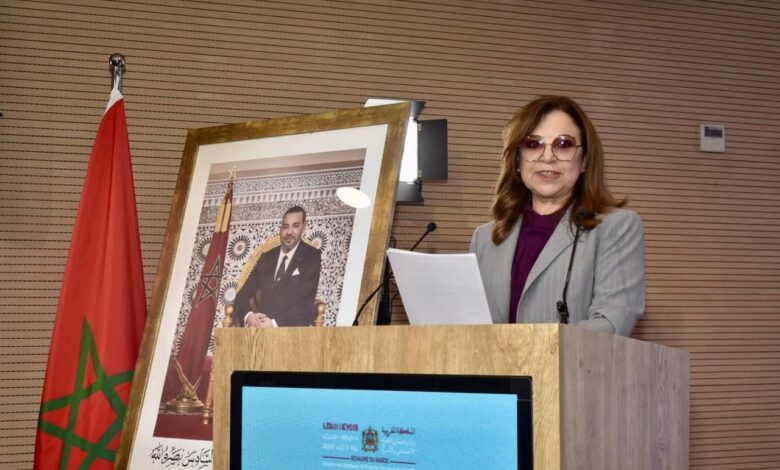
Launched by the Ministry of Solidarity, Social Integration, and Family, in partnership with UN Women and the United Nations Population Fund, and with the support of the Canadian Embassy in Morocco, this campaign aims to promote women’s participation in public and political life as a fundamental lever for consolidating democracy, equality, and sustainable development, especially in the lead-up to upcoming electoral deadlines. The initiative also seeks to raise societal awareness regarding the importance of women’s involvement in managing public affairs, encouraging women, particularly young girls, to engage in political, partisan, and institutional action, and supporting their presence in decision-making positions and roles of responsibility, while combating stereotypes and gender-based discrimination in political and public spheres.
On this occasion, Minister Naima Ben Yahia emphasized that this campaign aligns with the ongoing democratic reforms within the human rights system in Morocco, which aim to establish values of equity and equal opportunity, as well as to enhance women’s participation across various aspects of public life, in accordance with the High Guidelines of His Majesty King Mohammed VI. She explained that the theme of this campaign reflects a societal vision based on development as a shared responsibility between women and men, asserting that building a progressive society can only be realized through everyone’s participation in decision-making, exercising responsibilities, and managing public affairs, alongside equitable access to the benefits of development.
For her part, Myriem Ouchen Noussairi, the UN Women Representative in Morocco, regarded this national campaign as a strategic opportunity to strengthen women’s representation within institutions and bolster democracy. She highlighted that Morocco has recorded significant progress in women’s rights and their participation in public life over the past two decades, benefitting notably from the achievements enshrined in the 2011 Constitution concerning equality and parity.