Hydropower: Morocco Joins Africa’s Top 10 with a Capacity of 2.59 GW
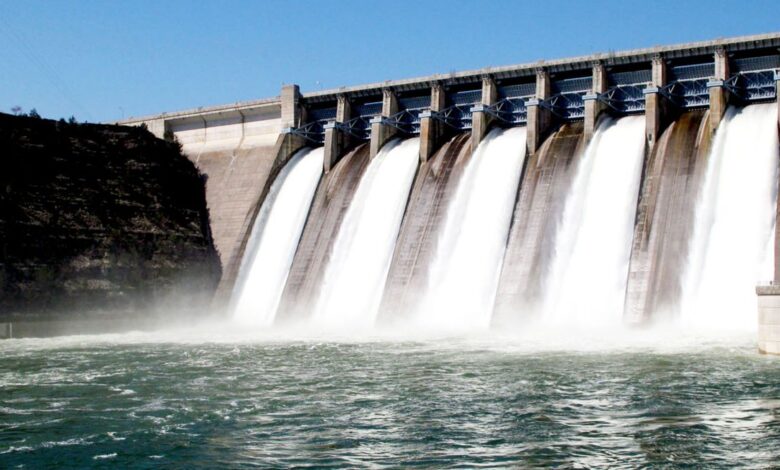
Morocco continues its development in the renewable energy sector. According to the latest data released by the International Hydropower Association (IHA), the country has an installed hydropower capacity of 2.59 gigawatts (GW), placing it 9th in Africa.
This ranking highlights Morocco’s efforts to diversify its energy mix and increase the share of clean energy in national electricity production.
Hydropower: A Lever for Energy Transition
With its network of dams and pumped storage power stations (PSPS), Morocco leverages hydropower to enhance the stability of its electrical system and support the development of solar and wind energy sectors.
This technology plays a strategic role by allowing energy to be stored and balancing electricity production as demand fluctuates throughout the day.
A Strong Position on the African Continent
With a capacity of 2.59 GW, Morocco ranks among the top ten producers of hydropower in Africa. However, several countries have more extensive infrastructure, including Ethiopia, the Democratic Republic of the Congo, Egypt, Zambia, and Mozambique.
This performance, nonetheless, affirms the Kingdom’s role as a major player in the energy transition in Africa, owing to a strategy focused on infrastructure development and diversifying sources of electricity production.
Investments to Strengthen Energy Security
Moroccan authorities continue to invest in hydraulic and energy infrastructure to meet the rising demand for electricity while reducing dependency on fossil fuels.
Meanwhile, the development of dams, PSPS, and renewable energy projects aligns with the national objective to increase the share of electricity generated from clean sources and enhance the resilience of the energy system in the face of climate challenges.
A Confirmed Ambition for the Coming Years
The ranking published by the International Hydropower Association underscores the progress Morocco has made in hydropower. By continuing its investments in infrastructure and innovation, the Kingdom aims to solidify its position as an essential player in renewable energy in Africa and facilitate its transition to a more sustainable energy model.