Live cattle: Spanish exports to Morocco come to a standstill
Spanish Livestock Exports to Morocco Plummet in 2026
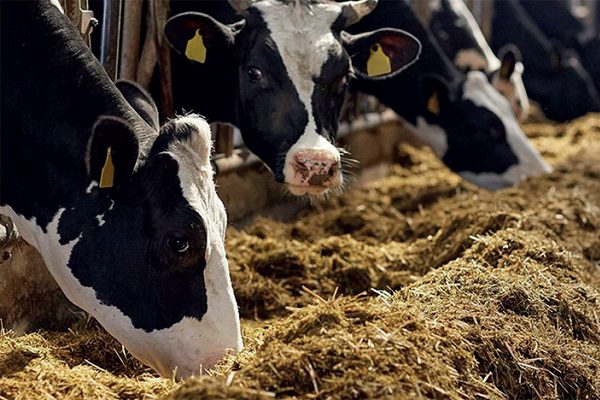
Spanish exports of live cattle exceeding 300 kilograms to Morocco experienced a complete downturn between January and July 2026. According to preliminary data from the Spanish Tax Agency (AEAT), reported on Wednesday, October 14, by the Agrarian Association of Young Farmers (Asaja), no animals of this category were shipped to the Moroccan market during this period, in stark contrast to the 36,316 heads exported the previous year.
This interruption has significantly impacted Spanish international sales. Total exports of live cattle over 300 kilograms dropped from 50,570 to 17,702 heads within a year, marking a staggering decrease of 65%. Morocco accounted for nearly 72% of Spanish sales for this category during the first seven months of 2025.
Decline in the Moroccan Market Affects Spanish Exports
The disappearance of Moroccan orders is a major factor contributing to the contraction in Spanish heavy cattle exports. The volume of animals that have not been shipped to Morocco exceeds the net decrease recorded across all markets, as some other countries have increased their purchases.
Lebanon and Italy have emerged as the primary destinations for Spanish cattle over 300 kilograms. Between January and July 2026, these countries imported 5,993 and 5,132 animals, respectively, accounting for nearly 63% of Spain’s exports in this category during the period.
However, Asaja believes that these two markets alone are not sufficient to compensate for the loss of the Moroccan market. In July, shipments to Lebanon and Italy increased by 88% and 101%, respectively, compared to the same month in 2025.
Uncertainties Surrounding the Resumption of Trade
The decrease in sales to Morocco has coincided with trade difficulties for Spanish breeders. The newspaper El Debate highlighted rising cattle prices and sanitary restrictions linked to contagious nodular dermatitis, though it did not confirm the existence of a general import ban from Morocco.
Anabel Casas, head of the cattle sector at Asaja in the Spanish province of Huesca, stated that the Moroccan market remains closed and may continue to be so until the end of the year. She also noted the absence of visits from Moroccan buyers to Spanish farms, an essential step usually taken before finalizing transactions.
In the absence of further clarity on the exact reasons behind the halt in shipments, available data primarily shows the scale of the commercial contraction, without establishing a general import suspension measure by Moroccan authorities.
Spanish Beef Continues to Thrive in Morocco
The decline in live cattle exports should not be confused with the dynamics of beef trade. These two categories represent distinct commercial flows, and available data indicates an increase in the sales of Spanish beef to Morocco in recent years.
On February 10, the Spanish Interprofessional Organization for Beef (Provacuno) organized a meeting in Casablanca, bringing together nine Spanish companies and over twenty Moroccan importers and distributors. During this event, the organization emphasized the growth in exports of Spanish beef to the Kingdom.
Deliveries reportedly surpassed 5,000 tons in 2025, reflecting an increase of nearly 25% compared to 2024. This growth was largely facilitated by the authorization granted by Moroccan authorities at the end of 2024 for the importation of fresh beef from Spain.
Spanish Fresh Meat Exports Up by 6.8%
On an international scale, Spanish exports of fresh or refrigerated beef reached 115,660 tons between January and July 2026, showing a 6.8% increase year-on-year. Their value amounted to €929.6 million, equivalent to approximately 10.05 billion dirhams, an uptick of 14.9%.
Portugal remains the leading destination market, with 33,465 tons, followed by Italy, which imported 22,188 tons, and Algeria, with 16,883 tons. Sales to the Algerian market surged by 32% in July.
Raúl Sanz, President of Provacuno, highlighted the increase in exports to Algeria during the signing of a professional agreement on October 5, pointing out the interest in Spanish products.
Frozen Meat Exports Decline, Spanish Imports Rise
In contrast to fresh meat, Spanish exports of frozen beef fell by 11% between January and July 2026, totaling 19,018 tons.
During the same period, Spanish imports of fresh beef reached 73,241 tons, an increase of 9% for July alone. Major suppliers included the Netherlands, with 17,411 tons, Italy with 12,481 tons, Poland with 9,960 tons, and Germany with 9,414 tons.
Spanish purchases of frozen meat also decreased by 20% in the first seven months of the year, totaling 22,517 tons, of which 4,276 tons came from Brazil.
These trends highlight contrasting dynamics in the Spanish beef market. For Moroccan operators, changes in live cattle trade with Spain represent an indicator to monitor, but they do not necessarily imply a decline in supplies of beef.