Morocco: Treated Wastewater Soon to Be Allowed for Agricultural Irrigation
Morocco Takes a Major Step in Water Management
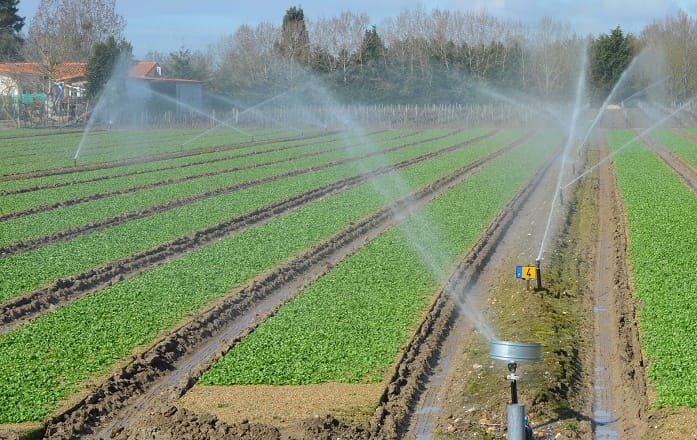
Morocco is poised to make a significant advancement in its water management by allowing the use of treated wastewater for agricultural irrigation. This measure aims to enhance the available water resources in response to the growing pressure on dams and aquifers.
In a context marked by recurring droughts and water stress, this initiative aligns with a national strategy to diversify water sources.
A Solution to Alleviate Conventional Resources
The goal is to reduce dependence on traditional water resources by mobilizing treated volumes that can be re-utilized across various sectors, particularly in agriculture. This approach embodies a circular economy mindset regarding water, where treated wastewater transforms from a waste product into an alternative resource.
An Evolving Regulatory Framework
This reform is accompanied by a modernization of the regulatory framework to ensure the health and environmental safety of this reuse. Authorities are actively working to set clear guidelines regarding usage conditions, particularly with respect to the types of crops and water quality standards.
A Lever for Food Security
Beyond water management, this initiative also aims to support national agricultural production and bolster food security. By securing a portion of irrigation, the government hopes to stabilize agricultural yields and reduce the sector’s vulnerability to climate fluctuations.
A Broader Water Strategy
This measure fits into a comprehensive strategy that also includes seawater desalination, modernization of irrigation networks, and the mobilization of non-conventional resources. The overarching objective is to build a more resilient and sustainable water system to support the agricultural development of the Kingdom.