Reusing Wastewater: Morocco Accelerates Investments with Over 3 Billion Dirhams
Addressing Water Stress: Morocco Strengthens Wastewater Reuse Strategy with Over 3 Billion Dirhams in Investments
In response to the intensifying water stress, Morocco is bolstering its strategy for the reuse of treated wastewater through an extensive investment program exceeding 3 billion dirhams.
This initiative is part of the national policy aimed at securing water resources as the Kingdom seeks to diversify its water supply sources and alleviate pressure on dams and aquifers.
A Strategy That Has Become a Priority
The reuse of treated wastewater is gradually becoming a major pillar of Morocco’s water mix, alongside seawater desalination, dams, and hydraulic interconnections.
The Kingdom aims to achieve the reuse of 100 million cubic meters of wastewater annually by 2027, up from the current figure of just over 50 million cubic meters.
This treated water is primarily intended for irrigating green spaces, golf courses, industrial uses, and gradually for certain agricultural activities.
Over 3 Billion Dirhams Mobilized
According to the data from the National Program for Drinking Water Supply and Irrigation (PNAEPI), more than 3 billion dirhams is specifically allocated to the development of treated wastewater reuse.
Additional investments have been made by public and industrial players, particularly in the sanitation and industry sectors.
Between 2019 and 2024, total investments in this realm have reached nearly 6 billion dirhams, including projects led by industrial groups and local authorities.
An Expansion of Infrastructure
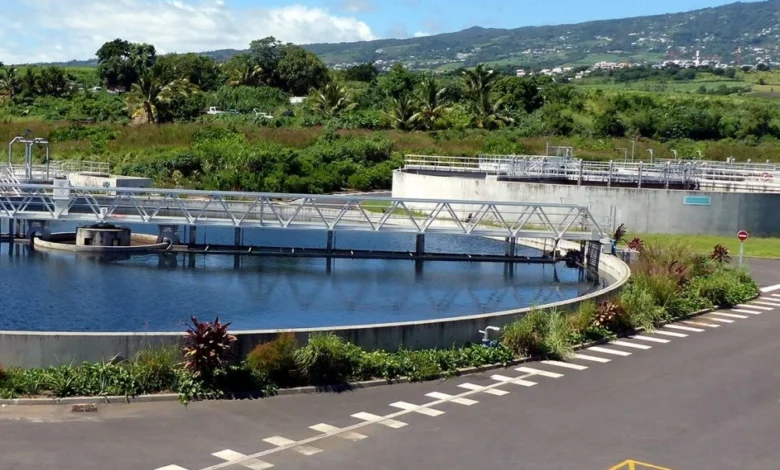
Morocco is progressively developing treatment plants and reuse networks in several cities across the Kingdom.
Projects are already operational or underway in cities such as Casablanca, Rabat, Marrakech, Agadir, Tangier, Tetouan, and El Jadida. Additional programs are planned for Fez, Meknes, Kenitra, Oujda, Nador, Dakhla, and Essaouira.
This expansion aims to limit the use of drinking water for secondary purposes and to preserve conventional resources.
A Response to Structural Water Stress
The Moroccan strategy comes amid dwindling water resources, marked by several years of drought and a structural decline in precipitation.
Authorities are now focusing on an integrated approach that combines desalination, wastewater reuse, aquifer management, dams, and optimization of distribution networks.
Technical and Environmental Challenges
Despite progress, the development of wastewater reuse faces several challenges, including infrastructure costs, treatment quality, social acceptability, and the expansion of sanitation networks, particularly in rural areas.
Experts also emphasize the importance of framing these projects within a comprehensive strategy for water conservation and sustainable resource management.
A Sustainable Transformation of Morocco’s Water Model
Through these massive investments, Morocco is pursuing the transformation of its water management model to enhance its resilience to climate change.
The reuse of wastewater now stands as a strategic lever for sustainably securing water supply and supporting the growing needs of agriculture, industry, and urban areas.