The Spiritual Soft Power of Morocco: How Religious Diplomacy Brings Morocco Closer to African Peoples
Beyond traditional economic and political levers, Morocco has been cultivating a unique approach to diplomacy for several years—an approach grounded in spirituality. This strategy, described as spiritual soft power, now serves as a discreet yet fundamental pillar of Morocco’s strategy toward the African continent.
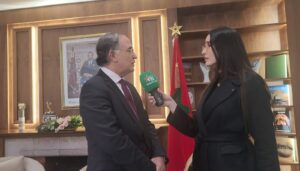
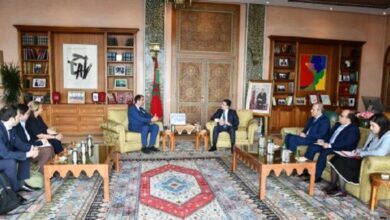
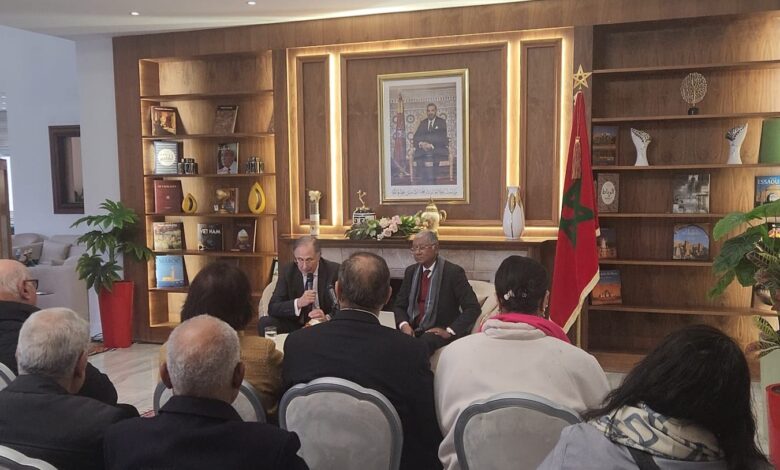
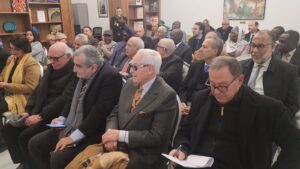
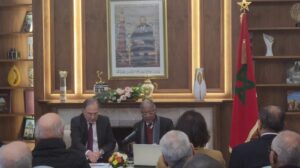
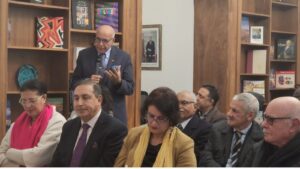
This reflection was central to a recent conference led by Ambassador Taleb Berrada at the Moroccan Diplomatic Club, focusing on the role of Moroccan religious diplomacy in bridging the gap with African peoples. Through his presentation, the diplomat illuminated the foundations, mechanisms, and stakes of this unconventional form of influence.
An Influence Rooted in History and Values
During this meeting, Ambassador Taleb Berrada emphasized that Morocco relies on a historically established religious model, based on Sunni Islam of the Maliki rite, the Ash’ari doctrine, and Sufism. This triptych, recognized for its balance and moderation, confers special credibility upon the Kingdom in an African context marked by both religious diversity and challenges related to extremism.
This spiritual legitimacy allows Morocco to cultivate a non-coercive influence, relying more on trust, the transmission of religious knowledge, and the sharing of common values than on traditional power dynamics.
Religious Diplomacy as a Tool for South-South Cooperation
As highlighted by the speaker, this diplomacy materializes through several initiatives, including the training of African imams in Morocco, cooperation between religious institutions, and support for the religious field with a view to stability and the prevention of radical deviations.
The aim is not to export a singular religious model but to promote a moderate Islam capable of adapting to local realities while strengthening cultural and human ties between Morocco and African societies.
A Strategic Lever with Multiple Stakes
In a continent where security, identity, and social issues are closely interconnected, Moroccan religious diplomacy appears, according to the analysis developed during the conference, as a complementary instrument to traditional economic and diplomatic policies. It allows the Kingdom to engage not only with states but also with African societies, thereby enhancing the depth and sustainability of its partnerships.
However, this approach is not without challenges. Assessing its real impact, the diversity of African contexts, and the necessity of avoiding any instrumentalization of religion are key concerns raised in the discussion.
Toward an Ever-Evolving Spiritual Diplomacy
As young African generations redefine their relationship with religion and identity, Moroccan spiritual soft power must continue to evolve to remain relevant. Its future will depend on its ability to harmonize tradition, modernity, and respect for local specificities.
Through this spirituality-based diplomacy, Morocco asserts a long-term vision centered on dialogue, trust, and the rapprochement of peoples, at the core of its African commitments—a vision clearly articulated during Ambassador Taleb Berrada’s conference at the Moroccan Diplomatic Club.