World Cup 2030: Morocco Accelerates Its Major Road and Highway Projects
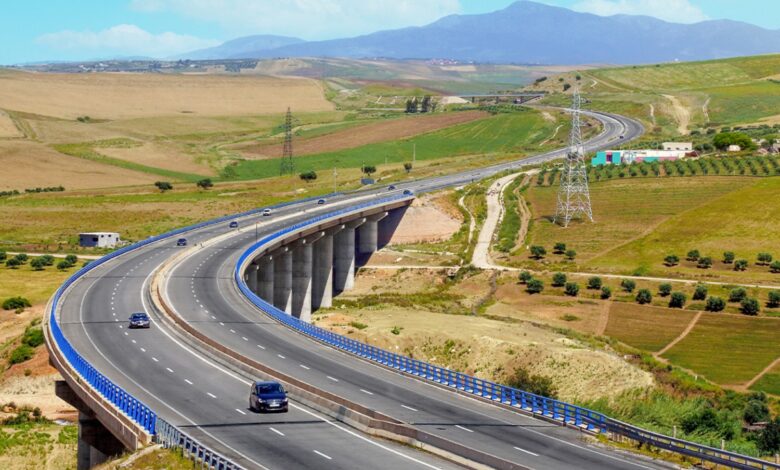
Strengthening Infrastructure in Morocco Ahead of the 2030 World Cup
As the 2030 World Cup approaches, Morocco is actively deploying extensive road and highway infrastructure projects aimed at enhancing mobility, improving territorial connectivity, and meeting the requirements associated with the organization of this global event. These investments are aligned with the Royal Vision, which places infrastructure at the heart of sustainable development, territorial cohesion, and the international influence of the Kingdom.
In response to a parliamentary written inquiry, the Minister of Equipment and Water, Nizar Baraka, provided an update on the progress of key projects that are set to be completed by 2030.
An Expanding Highway Network
Morocco currently boasts a highway network of nearly 1,800 kilometers, comprising around 1,600 engineering structures. This infrastructure plays a central role in the country’s economic, tourism, and social development, while also fostering investment and trade.
As part of the 2030 highway program, several projects have already been completed, including the Tit Mellil-Berrechid highway spanning 29 kilometers and the upgrades to the interchanges at Aïn Harrouda and Sidi Maârouf, which were finalized in 2025.
Strategic Projects Underway
Among the major projects currently in progress is the 104-kilometer Guercif-Nador highway, with an estimated investment of 7.9 billion dirhams. Construction has also begun on the continental Rabat-Casablanca highway, a 59-kilometer infrastructure project that requires nearly 6 billion dirhams. This highway will notably improve access to the Benslimane region, where the future Grand Stade Hassan II will be situated.
Enhanced Expressway Network
The development of expressways is also continuing at a steady pace. By the end of 2025, the national expressway network is expected to reach nearly 2,300 kilometers, representing a growth of 819 kilometers since 2021.
This expansion relies on several key projects, including the Tiznit-Laâyoune, Fès-Taounate, Tétouan-Chefchaouen, and Aïn Aouda-Oued Zem corridors. Strategic infrastructures are likewise being developed around the Nador West Med port and in the Agadir region.
Modern Access Roads for Grand Stade Hassan II
As part of the preparations for the 2030 World Cup, the government has initiated a significant program to upgrade access routes to the future Grand Stade Hassan II in Benslimane. A partnership agreement has mobilized a total fund of 5 billion dirhams, with 3.9 billion designated for road infrastructure aimed at improving traffic flow and access to the sports complex.
To ensure oversight of all World Cup-related projects, the Morocco 2030 Foundation was established to coordinate various stakeholders and ensure that timelines are met.
A Sustainable Legacy Beyond the World Cup
According to Nizar Baraka, these investments extend well beyond hosting the 2030 World Cup. They aim to sustainably enhance the mobility of citizens, strengthen the Kingdom’s economic attractiveness, and leave an infrastructural legacy beneficial to all regions of Morocco.