
World Cup 2030: Morocco Attracts French Companies for Major Projects
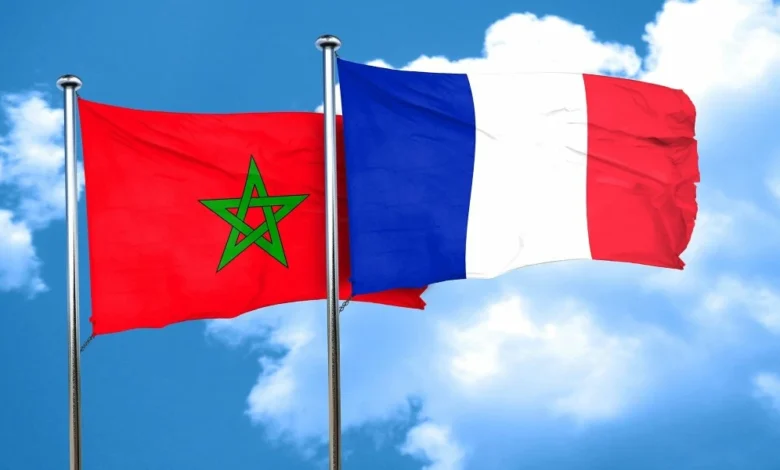
As the 2030 World Cup approaches, preparations are accelerating and opening up a wide range of opportunities. Infrastructure, transportation, tourism, and digital services are among the many needs that are generating growing interest from international partners. France, in particular, is making its ambitions clear, bolstered by strong historical ties with Morocco.
A Structured Cooperation Between Rabat and Paris
Gathered in Salé as part of a Morocco-France Task Force initiated by the Morocco 2030 Foundation, public officials and economic actors expressed their desire to strengthen collaboration. The goal is straightforward: to coordinate expertise and build concrete partnerships to support the numerous projects associated with the event.
The World Cup as a Catalyst for Transformation
For Moroccan authorities, this deadline goes far beyond sports. It is part of a long-term strategy aimed at modernizing infrastructure and enhancing the attractiveness of the Kingdom. The project is presented as a development lever that can invigorate a new economic dynamic.
Highlighting French Expertise
From the French perspective, the interest is clear. Companies are eager to capitalize on their know-how in organizing large international events. Mobility, ticketing, logistics, and accommodation are all areas where French expertise is recognized and likely to meet the demands of the 2030 World Cup.
High Technical and Environmental Standards
Discussions have also emphasized key priorities, particularly accessibility and innovation. The inclusion of all audiences, including individuals with disabilities, is a major challenge. Additionally, the environmental dimension now stands out as an indispensable criterion, with careful attention paid to reducing the carbon footprint.
An Organization Coming Together
To realize this cooperation, several initiatives are in progress. Thematic workshops are set to be launched to coordinate interventions on key projects: stadiums, transportation, accommodation, and technology. The aim is to effectively structure contributions from each party.
Economic Impact Expected Beyond the Event
Beyond the competition, the 2030 World Cup is viewed as a catalyst for economic transformation. It is anticipated to generate significant investments, stimulate local business activity, and strengthen Morocco’s position as a regional hub, especially towards Africa.
A Human and Generational Dimension
Finally, this cooperation does not solely revolve around economic issues. It also embodies a dynamic rapprochement between the two countries, particularly through sports. Youth emerges as a central beneficiary of this momentum, fostering a sense of transmission and long-term building.