
Younes Sekkouri Calls for Bold Legislation in Response to the Impact of Artificial Intelligence on Employment
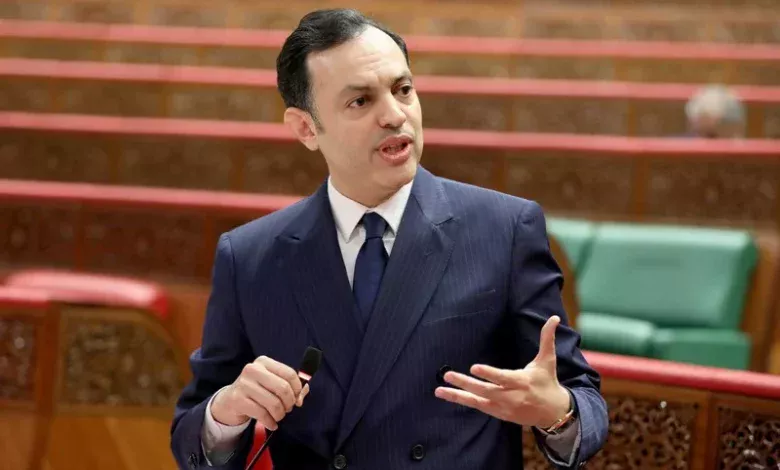
The Minister of Economic Inclusion, Small Enterprises, Employment, and Skills, Younes Sekkouri, has advocated for the adoption of innovative legislations and proactive policies to address the profound transformations brought on by artificial intelligence in the labor market, especially concerning young graduates.
Civic Engagement: A Key to Success
Speaking at the Economic Parliamentary Forum in Marrakech for the Euro-Mediterranean region and the Gulf, the minister emphasized that the success of regional and cross-border projects primarily hinges on collective will and active involvement from citizens.
According to him, parliaments play a crucial role in voicing the population’s expectations, ensuring that public policies meet the genuine needs of society, going beyond mere technical or financial considerations.
Increasingly Complex Economic and Social Challenges
Younes Sekkouri also addressed several major issues currently shaping the international agenda, including economic integration, the growing indebtedness of states, and challenges related to food security, water, and climate in a geopolitical context marked by significant uncertainties.
These issues, he pointed out, require coordinated responses capable of reconciling economic development, social cohesion, and sustainability.
Artificial Intelligence is Transforming the Labor Market
The minister warned of the rapid effects of artificial intelligence and the digital economy on employment. He noted that several international studies estimate that job opportunities for young graduates could decrease by 13% to 22% globally due to the increasing automation of many tasks.
In light of this evolution, he believes it is essential to adapt legislative frameworks and training policies to prepare new generations for emerging jobs and the skills demanded in the digital economy.
Putting People at the Heart of Public Policies
For Younes Sekkouri, the technological transition should not simply be about adopting new digital tools. It should accompany a broader reflection that places human capital at the core of development strategies.
The minister contends that investing in skills, continuous training, and social inclusion constitutes the best response to the changes in the labor market induced by artificial intelligence.
A Vision Based on Inclusion and Sustainable Development
The government official also reiterated the importance of social integration policies in the success of economic strategies. According to him, the Moroccan experience demonstrates that sustainable economic development necessarily involves the protection of fundamental rights and strengthening social cohesion.
He concluded by stressing that the current technological changes require a collective mobilization of governments, institutions, and economic actors to build a growth model capable of harnessing the opportunities offered by artificial intelligence while preserving employment and social inclusion.