Morocco Reaffirms Its Commitment to African Health Sovereignty at CPHIA 2026
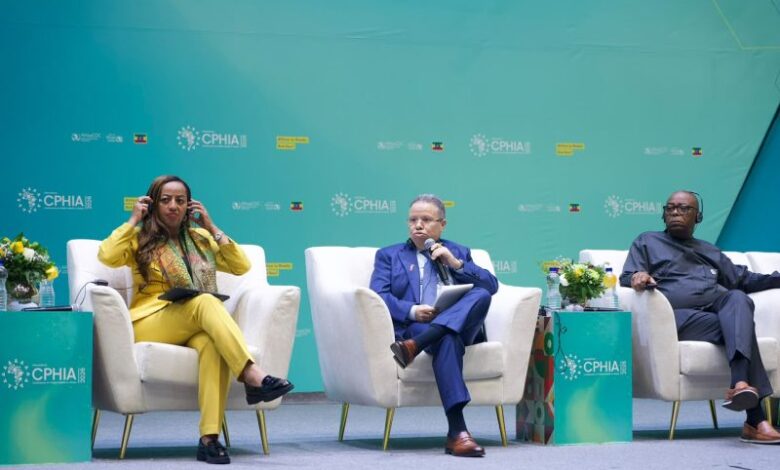
Moroccan Health Minister Attends CPHIA 2026 in Addis Ababa
Professor Younes Bjiijo, Morocco’s Minister of Health and Social Protection, is participating in the fifth edition of the International Conference on Public Health in Africa (CPHIA 2026), taking place from November 23 to 27, 2026, in Addis Ababa, Ethiopia. The conference is organized by the Africa Centers for Disease Control and Prevention (Africa CDC) in collaboration with the member states of the African Union.
This continental event brings together African health ministers, government officials, representatives from international and regional organizations, as well as experts, researchers, and health sector stakeholders. Discussions will focus on strengthening health systems, health security and sovereignty in Africa, and reforming global health governance.
During his participation, Minister Bjiijo took part in a high-level dialogue dedicated to reforming the global health system, alongside several African health ministers, leaders from continental and international institutions, and development partners in the health sector.
In his address, Younes Bjiijo reaffirmed Morocco’s commitment, under the leadership of King Mohammed VI, to building a collective African health sovereignty, founded on solidarity, knowledge sharing, technology transfer, and the enhancement of the continent’s own capabilities.
The minister called for a comprehensive overhaul of the global health system to allow Africa to fully engage in defining international health priorities, including decision-making mechanisms and resource allocation, while respecting the sovereignty of states and their strategic choices.
He emphasized three priority areas: strengthening the complementarity between national, continental, and international institutions; establishing a more equitable global health governance framework based on mutual responsibility and accountability; and adopting sustainable, predictable financing mechanisms that align with national priorities, while maintaining the achievements of international solidarity.
Additionally, the minister highlighted Morocco’s structural initiatives aimed at supporting African health capabilities, particularly in skills training, scientific research, and vaccine industry development. He specifically mentioned the "Morocco Biotechnology" (MARBIO) vaccine production platform.
Bjiijo also underscored the strategic role of the Africa CDC in enhancing health coordination across the continent and consolidating a strong, unified African voice within international forums, complementing the efforts of the World Health Organization.
He stressed the necessity of transitioning from a dependence model to balanced partnerships that foster the sustainable development of African capabilities. The minister reminded attendees that health is a strategic investment, a lever of sovereignty, and an essential factor for stability and development.
Minister Bjiijo also outlined the main directions for the transformation of Morocco’s national health system, in line with the High Royal Guidelines. These reforms focus on the expansion of social protection, the broadening of health coverage, the modernization of health infrastructure, the valorization of human resources, and improving governance in the sector to ensure equitable access to quality health services.
On the sidelines of the conference, the minister held meetings with representatives from African and international health institutions as well as bilateral discussions with several of his African counterparts.
These engagements provided an opportunity to explore ways to strengthen existing partnerships and discover new avenues of collaboration, particularly in health professional training, hospital infrastructure development, pharmaceutical industry advancement, scientific research, and innovation.
Through its participation in CPHIA 2026, Morocco reaffirms its commitment to enhancing African health cooperation and building a more resilient, united, and sovereign continent in the health sector, capable of collectively and sustainably addressing current and future health challenges.