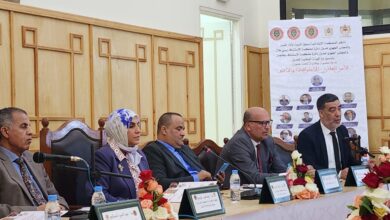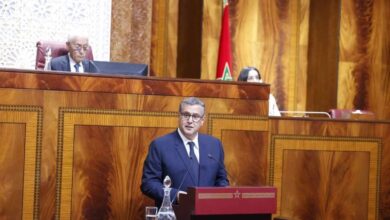
Regional councils of elders warn against Bill 16.22: a threat to social stability and societal cohesion.
Moroccan Adoul Councils Warn Government of Legal Bill Threats
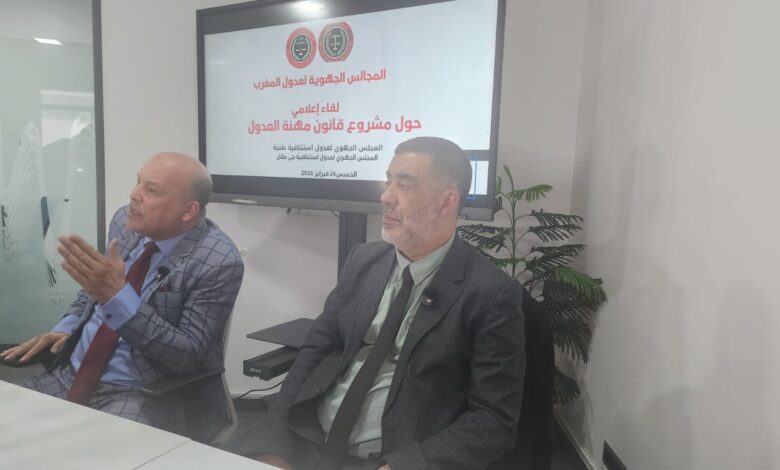
During a comprehensive media meeting, the regional councils of adouls (notaries) in Morocco issued a warning to the government about the risks associated with Bill 16.22, which pertains to the regulation of the adoul profession. They believe the current version poses a real threat to social peace and undermines social cohesion, directly affecting the legal and contractual security of citizens. They emphasized that the government bears full responsibility for averting these serious consequences.
The regional councils clarified that this bill transcends a mere technical amendment of the law; it contains provisions that impact the core of the adoul profession and contradict documentary justice principles. This, they argued, weakens trust in transactions and jeopardizes legal stability, a fundamental pillar of the rule of law. They warned that advancing the bill in its current form could erode confidence in institutions, disrupt daily transactions, and compromise the social equilibrium that the adoul profession has helped sustain for centuries.
In this context, Mr. Saïd Sroukh, president of the regional council of adouls at the Tanger appeal instance and head of the External Relations and Communication Committee within the National Authority of Adouls’ executive bureau, highlighted that adouls had previously submitted detailed observations and amendment proposals to rectify significant imbalances in the bill. However, the rejection of these amendments, both before the Justice and Legislation Committee and during the plenary session, reflects, according to him, a lack of genuine willingness for participatory dialogue and demonstrates a disregard for the interests of citizens and the profession.
Mr. Sroukh pointed out that earlier forms of protest, including the suspension of adoul activities on April 18 and 19, served as an initial warning aimed at sounding the alarm. The government’s silence in response to these alerts led the adouls to adopt more visible escalation measures, reflecting the gravity of the situation on the national stage.
Furthermore, Mr. Idriss Trali, president of the regional council of adouls at the Béni Mellal appeal instance and a member of the executive bureau of the National Authority of Adouls, explained that the current form of the bill imposes coercive and punitive constraints on adouls, disrupting the balance between rights and obligations without providing the necessary professional guarantees to carry out their roles with dignity and independence.
Mr. Trali asserted that the adouls are not opposed to oversight or accountability; rather, they demand a genuine balance between rights and responsibilities, along with the provision of the legal and institutional tools required to ensure professional security and protect the rights of citizens and the legal standings of contracting parties.
Faced with what they described as a complete impasse in the legislative management of the project, the regional councils announced the initiation of a national strike lasting one week, which includes halting adoul activities nationwide. This measure aims to alert the government and public opinion about the severe dangers posed by continuing Bill 16.22 without fundamental revisions.
The councils emphasized that this strike does not target the interests of citizens but aims to protect their rights and ensure the contractual security represented by adoul actions. They directly attribute any disruption in daily transactions to the government’s failure to adjust the bill or adequately respond to the professional demands of the adouls.
The councils have reiterated their call for an urgent intervention to withdraw Bill 16.22 and return it to the dialogue table under a truly participatory approach. This ensures the effective involvement of adouls in drafting the regulations governing their profession and guarantees a balanced reform that preserves the independence of adouls while protecting public rights and interests, thereby strengthening legal security and social cohesion, which are now threatened by the current provisions of the bill.
Finally, the councils warned that any continued adoption of the bill without thorough revision will have a direct impact on the stability of both the legal system and society as a whole. They asserted that the government’s responsibility—historically, legally, and morally—demands a response to the adouls’ requests to ensure contractual security and maintain social balance.