
Foreign Trade: Morocco’s Coverage Rate Falls to Its Lowest Level Since 2018
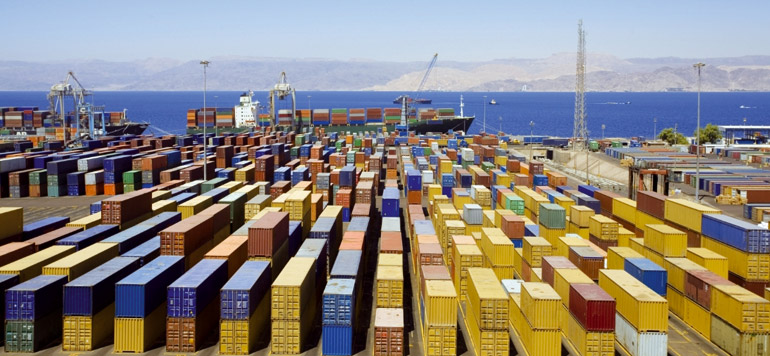
Morocco’s Foreign Trade Faces New Imbalances
Morocco’s foreign trade is experiencing a new imbalance. By 2025, the import coverage rate by exports has dropped to 57%, marking its lowest level since 2018. This decline highlights a widening trade deficit fueled by a significantly faster increase in imports compared to exports.
According to the latest economic analyses, the commercial goods deficit reached 353.1 billion dirhams in 2025. Imports surged by 61 billion dirhams over a year, while exports saw a modest increase of only 12.7 billion dirhams, further exacerbating the trade balance imbalance.
Imports Driven by Investment… and Consumption
A significant portion of the rise in imports can be attributed to Morocco’s economic needs for industrial equipment, machinery, energy products, and raw materials essential for production and investment.
However, this growth also extends to finished consumer goods, particularly passenger vehicles, electronic devices, and other products directly intended for households. This trend raises questions about the capacity of the domestic industry to meet the steadily increasing internal demand.
Growing Pressure on the Trade Balance
The decline in the coverage rate indicates a growth in imports that outpaces exports. This situation adds further pressure on the Kingdom’s external balances, even though several export sectors continue to demonstrate robust performance.
Experts argue that the challenge now lies in further strengthening local production, developing industrial sectors capable of substituting certain imports, and increasing the added value of Moroccan exports.
Focusing on Industrial Competitiveness
In light of these developments, enhancing industrial competitiveness emerges as a strategic lever to gradually reduce dependency on imported consumer goods.
The development of new production capacities, upgrading the national industry, and diversifying exports are among the main challenges to sustainably improve the coverage rate and limit the exacerbation of the trade deficit.