
Seasonal Workers in Spain: Morocco Strengthens Support Measures
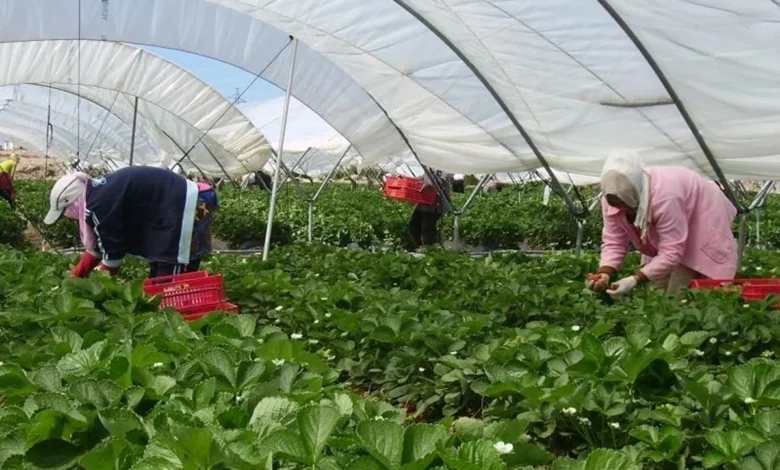
Strengthening Support for Moroccan Seasonal Agricultural Workers in Spain
The Moroccan government continues to enhance its support system for seasonal agricultural workers recruited in Spain. Speaking at the House of Representatives on Monday, Minister of Economic Inclusion, Small Business, Employment, and Skills, Younes Sekkouri, outlined new measures implemented in partnership with Spanish authorities and the National Agency for Employment Promotion and Skills Development (ANAPEC) aimed at improving recruitment and working conditions for these seasonal workers.
In response to an oral question regarding the support for Moroccan women working in Spain, the minister noted that several reforms have been introduced to make this program more effective and better aligned with on-ground realities.
Enhanced Selection and Four-Year Visas
Among the key updates is the revision of the selection mechanism for beneficiaries, ensuring better support for candidates right from the recruitment stage.
Additionally, the government has secured the establishment of four-year visas, a measure designed to provide greater stability for seasonal workers while facilitating their mobility within the framework of Spanish agricultural campaigns.
The minister emphasized that this initiative is also based on adherence to contractual commitments, specifying that over 81% of Moroccan workers return to the Kingdom upon the completion of their contracts, in line with program regulations.
A Fivefold Increase in Seasonal Workers
Younes Sekkouri highlighted that the program has been steadily progressing over the years. While approximately 3,000 workers were recruited annually a decade ago, that number now exceeds 15,000 seasonal workers each year.
The minister praised the cooperation with Spanish authorities, particularly the central government, which contributes to the gradual improvement of working and reception conditions for Moroccan workers.
Enhanced Support in Huelva Province
Despite these advancements, some challenges remain, particularly for first-time recruits.
According to the minister, these individuals sometimes face language barriers or a lack of understanding of their rights, despite awareness sessions organized prior to their departure.
To better address these issues, a meeting was held with agricultural businesses in the province of Huelva, where nearly 90% of Moroccan workers participating in this program are employed.
Better Protection of Workers’ Rights
The Moroccan government is also coordinating with the Moroccan Embassy and the General Consulate in Seville, as well as with Spanish authorities, to strengthen social and legal protection for seasonal workers.
Discussions have focused on several priorities:
- ensuring medical coverage upon arrival in Spain;
- facilitating complaint procedures in cases of disputes;
- providing language and administrative assistance to workers;
- ensuring respect for their rights throughout the duration of their contracts.
Through these new measures, Morocco aims to consolidate a program that has become a model for regulated professional mobility between the two countries, while improving working conditions and protecting the thousands of Moroccan women who participate annually in the Spanish agricultural campaigns.