Water Highway: Morocco Plans a New 300 km Mega-Project between the Sebou and Oum Rabia Rivers
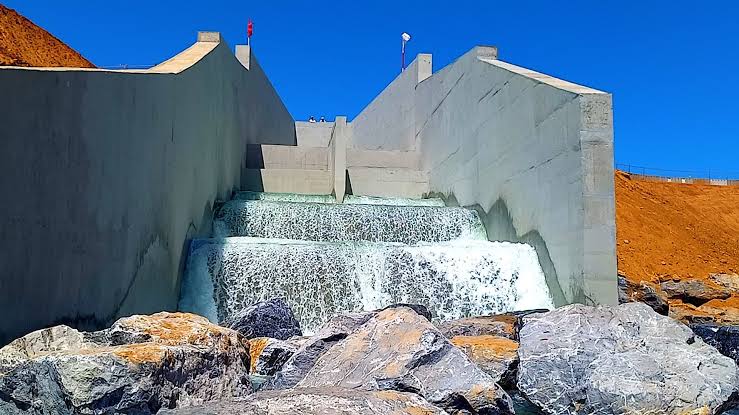
Building on the success of the first phase of the Water Highway, Morocco is set to launch a new major stage in this strategic project. The upcoming initiative aims to establish a 300-kilometer hydraulic infrastructure that will connect the Sebou and Oum Rabia basins, with an annual transfer capacity of up to 800 million cubic meters of water.
This new hydraulic highway is part of the National Program for Drinking Water Supply and Irrigation, an extensive investment plan exceeding 130 billion dirhams, designed to tackle the impacts of climate change, drought, and the increasing pressure on water resources.
A Strategic Infrastructure for Drinking Water and Agriculture
The project will enhance drinking water supply to several densely populated areas, including Settat, Berrechid, and the entire southern part of Casablanca.
Beyond supplying water to populations, this new infrastructure will also benefit the agricultural sector by providing irrigation to approximately 176,000 hectares of arable land within the Oum Rabia basin, thereby strengthening food security and the resilience of Moroccan agriculture.
A Second Phase Built on the Success of the First Segment
This new phase follows the initial Water Highway, which became operational two years ago and has become a cornerstone of the Kingdom’s water policy.
Since its launch in August 2023, this first link has facilitated the transfer of nearly 484 million cubic meters of water from the Sebou basin to the Bouregreg basin, ensuring drinking water supply for Rabat, Casablanca, and several neighboring cities during periods of severe drought.
The first segment connects the El Hirassa dam to the Sidi Mohammed Ben Abdellah dam through a network of aqueducts that spans about 66.7 kilometers.
A Third Phase Already Foreseen
Authorities are already planning a third phase that will extend the Water Highway to the Al Massira dam, one of the largest water reservoirs in Morocco.
Ultimately, the goal is to gradually increase the volumes transferred to reach an annual capacity of 1.2 billion cubic meters, thus enhancing water solidarity among the various basins of the Kingdom.
A Public-Private Partnership for Climate Resilience
The project is being developed through a partnership between the public and private sectors. Many experts believe that the interconnection of dams today represents one of the most effective solutions to address the challenges related to climate change, population growth, and rapid urbanization.
By expanding water transfer infrastructure, Morocco aims to better distribute available resources between regions with surpluses and those facing chronic water deficits, while consolidating its national water security strategy.