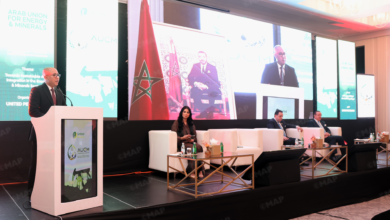
DigiTPME: Morocco Accelerates the Digitalization of Small and Medium Enterprises

Following a pilot phase conducted with nearly 300 very small, small, and medium-sized enterprises (TPMEs) across three regions of Morocco, the DigiTPME project is poised to take a significant step forward. A call for expressions of interest (CEI) has been launched to select regional partners responsible for deploying the initiative on a larger scale.
Driven by Moroccan-German cooperation, this program aims to facilitate the adoption of digital tools among Moroccan businesses by offering tailored support that meets their needs and level of digital maturity.
Interested organizations have until October 26, 2026, at 12 PM to submit their applications via the designated online form.
A €5 million Program for Moroccan TPMEs
The DigiTPME project is being implemented by the German Agency for International Cooperation (GIZ) on behalf of the Federal Ministry for Economic Cooperation and Development, in partnership with Morocco’s Ministry of Digital Transition.
With a budget of €5 million allocated for the period from 2023 to 2027, the program is rooted in a key observation: TPMEs account for nearly 95% of Morocco’s economic fabric, yet a significant portion of these enterprises have yet to fully leverage the opportunities brought about by digital transformation.
For many smaller firms, digitization is often viewed as a cost rather than an investment that can enhance productivity and competitiveness. Additional challenges arise from support offers that do not always address the specific constraints and needs of these businesses.
Preparatory work for the project identified three main categories of obstacles. The first are cultural, reflecting sometimes limited awareness of the benefits of digital technology. The second category is technological, due to the complexity of solutions and a lack of offerings adapted to the local context. The final category encompasses financial and commercial factors, particularly the costs associated with tools and uncertainty surrounding their profitability.
Four Levers to Support Digital Transformation
To address these challenges, DigiTPME offers a structured digitization pathway centered around four complementary mechanisms.
The first mechanism focuses on raising awareness among businesses about the challenges and opportunities presented by digital technology. The second involves personalized support that enables each enterprise to develop its own digital transformation roadmap, aligned with its priorities and needs.
The third mechanism facilitates connections between TPMEs and technology companies capable of providing tailored solutions. Finally, the program includes assistance for acquiring and implementing a software solution for one year, provided it addresses a need identified in the company’s roadmap.
This approach aims to prevent the adoption of unsuitable technologies and prioritize tools that meet specific operational needs.
Nearly 300 Businesses Supported in Three Regions
The pilot phase was conducted with the Regional Investment Centers (CRI) of Fez-Meknes, Oriental, and Marrakech-Safi. Approximately 300 TPMEs were selected to participate in an 18-month support program, coupled with an evaluation mechanism.
According to results communicated through the program, 246 business leaders and employees, including 94 women, received training in digital fundamentals. Additionally, 120 TPMEs engaged in developing their digital transformation roadmap.
The initiative also led to the selection of eight technology companies responsible for assisting beneficiaries in implementing their projects. In total, 74 TPMEs deployed a new solution that met their digitalization needs.
Satisfaction indicators are also high. According to data provided by GIZ, 94% of participants believe that the support they received has been beneficial, while 97% report a better understanding of the challenges and opportunities that digital technology presents for their businesses.
An additional evaluation is currently underway, and its results will be communicated to potential regional partners at the start of the scaling phase.
A Program Set to Evolve to Reach More Businesses
Lessons learned from the pilot are expected to improve the methodology before it is deployed in new territories. The program will include differentiated training based on the digital maturity of businesses, as well as a more condensed support schedule.
The digital roadmap is also expected to be more automated and standardized to facilitate monitoring of businesses and expand the number of beneficiaries without compromising the quality of support.
Another stated objective is to enhance the autonomy of TPMEs in choosing their technology providers and securing the necessary funding for their digital projects.
The scaling-up process will initially target one to three regions. The selection of territories will be based on their potential and strategic interest, taking into account the specificities of the local economic landscape.
Regional Partners at the Heart of the Deployment
The new phase of the program focuses on selecting regional implementation partners, who will play a central role in the continuation of the initiative.
These organizations will receive technical and methodological support from GIZ to gradually enhance their skills and autonomy. The goal is for them to ultimately replicate and implement the DigiTPME approach independently, beyond the initial phase.
Selected partners will participate in the operational management of the program within their regions, mobilize businesses, and coordinate with local economic actors. They will also contribute to sustaining the program and facilitating its adoption at the territorial level.
Which Organizations Can Apply for the Call for Expressions of Interest?
The CEI is open to organizations with a territorial anchorage in various regions of Morocco, preferably with an operational footprint.
Eligible entities include Regional Investment Centers, associations and NGOs active in entrepreneurial support, incubators, accelerators, chambers of commerce, industry, and services, as well as other professional chambers.
Regional branches of public agencies, platforms dedicated to youth, private companies, and professional federations or associations are also among the categories eligible to apply.
Applications must be submitted exclusively via the dedicated online form before October 26, 2026, at 12 PM. Following the evaluation of submissions, GIZ will create a priority list of potential partners to be submitted to the Ministry of Digital Transition. Results are expected to be announced on November 16, 2026.
The projected timeline anticipates the launch of the scaling phase on November 30, 2026, followed by the deployment of support for TPMEs between January and April 2027.
However, GIZ emphasizes that this call for expressions of interest is intended as a decision-making aid and a basis for discussion with interested organizations. It does not constitute a tender or a contractual commitment by the German agency or its partners.