Automotive Industry: Morocco Confronts the Challenge of Upgrading Quality
The Transformation of the European Automotive Industry and its Impact on Morocco
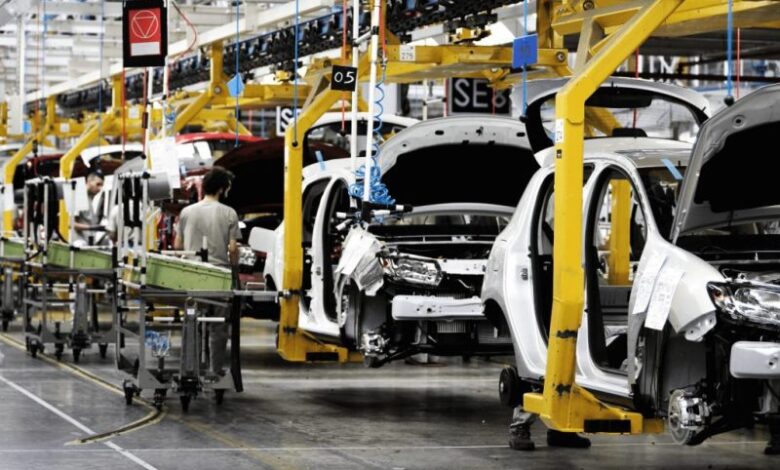
The transformation of the European automotive industry is redefining the competitiveness of the industrial platforms that supply its market, particularly that of Morocco. With increasing demands for local content, sustainability imperatives, and the securing of supply chains, the Kingdom must now accelerate its upscaling efforts to solidify its position with international manufacturers and suppliers.
Over the past two decades, the Moroccan automotive industry has experienced steady growth, driven by the arrival of major manufacturers, the establishment of international suppliers, and the progressive integration of local companies into global production chains. This dynamic has enabled the country to develop a structured industrial base focused on export.
The geographical proximity to Europe remains a significant advantage. It facilitates logistics exchanges and allows manufacturers based in Morocco to respond to the needs of carmakers who are particularly attentive to delivery timelines, product quality, and supply reliability.
However, European industrial priorities are evolving. The quest for industrial sovereignty, the ecological transition, and heightened traceability requirements are prompting industry players to revisit their supply strategies. For Morocco, this evolution opens new possibilities, but it also necessitates an adaptation of its industrial model.
Moroccan Competitiveness Amid New European Demands
Proximity to markets and production costs have long been key factors in the attractiveness of the Moroccan automotive industry. While these advantages remain relevant, they are no longer sufficient on their own to ensure long-term competitiveness.
Manufacturers and their suppliers are now seeking partners capable of providing more complex components, mastering advanced technologies, and adhering to increasingly stringent environmental standards.
This shift implies a gradual transformation of the industrial activities conducted in Morocco. Beyond assembly and the manufacture of traditional components, the challenge lies in developing expertise in engineering, electronics, embedded systems, and technologies associated with vehicle electrification.
The ability to integrate these new roles could enable the Kingdom to strengthen its position within European value chains and capture a larger share of the added value generated by the sector.
Electrification Requires New Investments
The transition to electric vehicles fundamentally alters the needs of the automotive industry. It encourages the development of new categories of components, particularly electronic systems, energy management equipment, and solutions for electric drive systems.
For suppliers based in Morocco, this shift represents a strategic challenge. Companies that anticipate these changes can diversify their production and position themselves in new industrial segments. Conversely, those that remain focused on traditional activities risk facing significant challenges as manufacturers adjust their production programs.
This adaptation requires investments in equipment, modernization of production lines, and acquisition of new skills. It also necessitates an increased effort in applied research, technological development, and cooperation between industry and educational institutions.
Thus, the path to upscaling will depend on the capacity of companies to navigate the technological transformations in the sector while maintaining high levels of productivity and quality.
Strengthening Local Suppliers to Create Greater Value
Deepening local integration presents another major challenge. Development of Moroccan suppliers capable of producing high-value-added components would reduce reliance on foreign supplies and enhance the economic benefits of the automotive activity.
Prospects include technical components, industrial engineering, testing, specialized maintenance, and technological services. The growth of these activities could foster the emergence of national companies that are better integrated into international production chains.
However, this evolution requires a favorable investment environment. Access to financing, availability of infrastructure, clarity on public support mechanisms, and the processing time for assistance can influence companies’ decisions to modernize.
Small and medium-sized industrial enterprises, in particular, need tailored resources to finance their equipment, obtain necessary certifications, and meet the technical requirements of their clients.
Skills and Quality at the Heart of Transformation
The modernization of the automotive industry is accompanied by changing labor force requirements. Factory automation, vehicle electrification, and the integration of digital solutions are driving demand for specialized skills in industrial maintenance, electronics, quality control, and engineering.
In this context, vocational training is a crucial lever for supporting investments and enhancing productivity. A better alignment between businesses’ needs and training programs can facilitate the adaptation of skills to new technologies.
International market requirements also go beyond mere technical performance. Suppliers must be able to ensure the traceability of components, document their industrial practices, and demonstrate compliance with applicable standards, particularly regarding environmental impact.
The ability to meet these criteria has become an essential factor in how manufacturers and major suppliers select their partners.
Morocco Called to Consolidate its Industrial Positioning
The Kingdom already possesses a structured automotive base, supported by the presence of international manufacturers, the growth of suppliers, and a strong orientation towards external markets. The next step is to deepen this integration and diversify activities toward more technological segments.
The transformation of the European automotive industry can offer new opportunities for Moroccan companies, provided they can keep pace with product evolutions, industrial processes, and regulatory requirements.
Thus, the challenge is no longer limited to attracting new production capacities. It also involves enhancing local skills, developing national suppliers, and increasing the share of high value-added activities carried out within the Kingdom.
Morocco’s ability to navigate this upscaling journey will play a crucial role in determining its place in the next phase of global automotive industry transformation.