Taxes: 3 Figures on Households’ Tax Loopholes
The Impact of Tax Expenditures in Morocco: An In-Depth Analysis
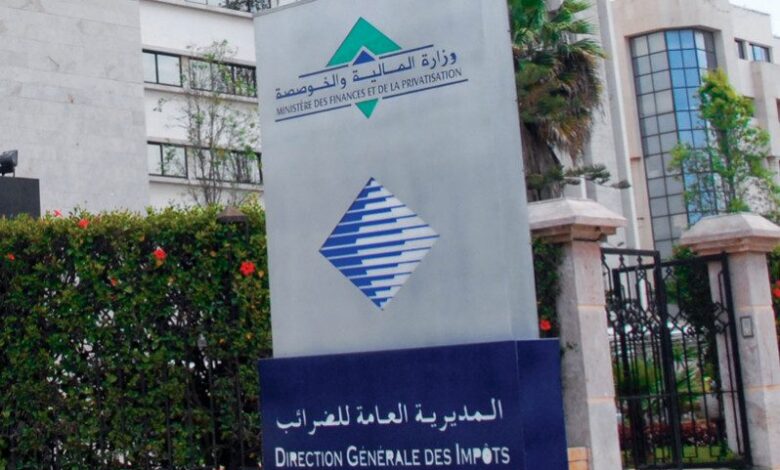
The report on tax expenditures attached to the 2027 Finance Bill estimates that the state will lose 18.5 billion dirhams due to measures aimed at supporting households. The reduced VAT on petroleum products accounts for four times more than the VAT exemption for social housing. However, the cost of a tax niche alone does not provide insights into its effectiveness.
How much revenue is the state foregoing to lessen the tax burden on Moroccans? Which measures are the most costly? And importantly, are they achieving their intended goals? The tax expenditure report assesses the cost of the measures identified for 2026 at 38 billion dirhams, a 13.7% increase from the previous year. Households account for 48.8% of this, amounting to 18.5 billion dirhams. Three key measures illuminate this policy, each with disproportionately varying weights.
1. 7.9 Billion Dirhams: Reduced VAT on Petroleum Products
This is the first assessed tax expenditure highlighted in the report and also the most dynamic. The reduced VAT rate of 10%, applicable with a right to deduction on petroleum and shale oils, costs 7.9 billion dirhams in 2026, up from 5.8 billion in 2025, marking an increase of approximately 36%. This rise is not attributed to a new tax gesture; instead, it measures the gap between this reduced rate and the standard reference rate of 20% on a base sensitive to volume and pricing.
Therefore, it is not, in itself, an anti-crisis shield. In response to the surge in 2026, the government favored targeted assistance for transporters. The main unknown remains—while the report quantifies the fiscal cost, it does not clarify the extent to which these costs are passed on to the prices paid by motorists.
2. 1.96 Billion Dirhams: Social Housing, Shifting Towards Direct Aid
The VAT exemption on social housing designated as primary residences, covering between 50 to 80 square meters, and valued at a maximum of 250,000 dirhams excluding tax, costs 1.96 billion dirhams in 2026, down from 2.12 billion in 2025, representing an 8% decrease. This decline reflects a shift in strategy, with the state now favoring access to housing less through tax exemptions and more through direct budgetary support, notably through the Daam Sakane direct housing assistance program.
The transition is gradual but alters the interpretation of the figure. The fiscal cost no longer solely captures the public effort towards housing, which is now also reflected in budgetary spending that the tax expenditure report does not account for. Direct aid has the advantage of being trackable in terms of beneficiaries and amounts disbursed. In contrast, the niche provides no indication of how many households truly benefit or whether the advantage is absorbed by developers.
3. 753 Million Dirhams: Primary Residence Sale, A Maintained Niche
The exemption from income tax on profits resulting from the sale of a property used as a primary residence for at least five years costs 753 million dirhams in 2026, up from 627 million in 2025, amounting to a 20% increase. This measure is part of the active real estate niches, which also includes a 75% reduction in housing tax and the deductibility of loan interest from the income tax base. While the state is redirecting access to housing for first-time buyers towards direct assistance, it continues to sustain fiscal advantages for property owners.
A Cost Does Not Imply Effectiveness
Together, these three measures total 10.6 billion dirhams, equating to nearly 28% of the overall tax expenditure envelope. While we know their costs, we rarely understand what they produce.
The Analyst