
Fuels in Morocco: Significant Drop in Diesel and Gasoline Prices Starting July 1st
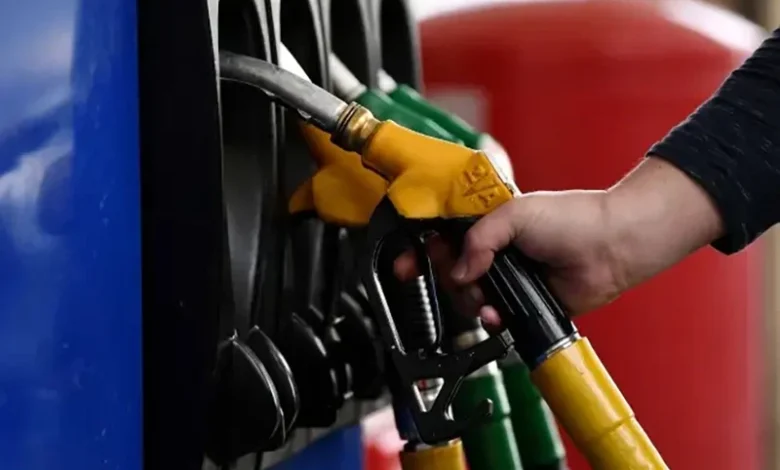
Moroccan motorists will benefit from a new drop in fuel prices starting Wednesday, July 1, at 8:01 AM. Distributors will apply a reduction of 96 cents per liter of diesel and 45 cents per liter of super unleaded petrol (SSP), confirming the continuation of the downward trend observed in the national market.
A Second Decrease in Two Weeks
This new adjustment comes just fifteen days after the previous decrease that took effect on June 16, which already allowed for a reduction of 60 cents per liter for petrol and 40 cents for diesel.
With two successive adjustments, fuel prices have seen a significant decline, providing relief for both individuals and professionals heavily reliant on transportation costs.
What Will Be the New Pump Prices?
Following this new decrease, the price of diesel, which stood at around 13.57 dirhams after the last revision, is now expected to be sold at approximately 12.61 dirhams, with slight variations depending on the region and distribution networks.
Meanwhile, the price of super unleaded petrol, which has been around 14.30 dirhams since mid-June, should drop to nearly 13.85 dirhams.
Prices may vary from one gas station to another based on the commercial policies of the distributors.
Good News for Households and Professionals
This decrease in prices represents a relief in expenses for motorists, as well as for transportation companies, logistics operators, and agricultural producers, whose costs remain closely tied to fuel prices.
In the medium term, this trend could also help reduce certain pressures on transport costs and contribute to stabilizing prices of various goods and services.
International Prices Remain Crucial
As with previous adjustments, this recent revision is directly linked to fluctuations in international crude oil and refined petroleum product prices, which influence the procurement costs for distributors operating in the Moroccan market.
The evolution of pump prices over the next few weeks will, therefore, primarily depend on global energy market fluctuations and their impact on the importation of petroleum products.