Morocco-Egypt: Four Targeted Sectors to Boost Exports
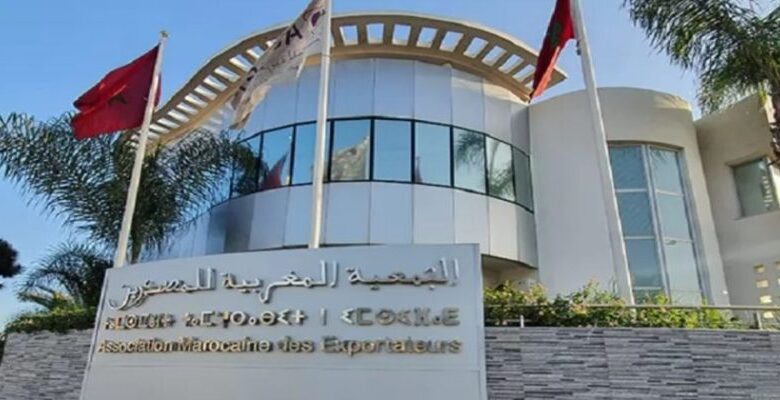
Morocco Seeks to Boost Exports to Egypt to Address Trade Imbalance
Morocco aims to strengthen its exports to Egypt in order to mitigate the trade imbalance, which is projected to exceed 10 billion dirhams by 2025. To achieve this goal, the Moroccan Exporters Confederation (ASMEX) and the Egyptian embassy in Rabat are collaborating on various initiatives aimed at facilitating access for Moroccan businesses to this market and developing partnerships between the two countries.
These perspectives were discussed during a meeting between Sonia Mezzour, ASMEX president, and Ahmed Nehad Abdel-Latif, Egypt’s ambassador to Morocco. The talks focused on identifying new commercial opportunities, supporting exporters already established in the Egyptian market, and fostering industrial cooperation projects.
Four Key Moroccan Sectors Targeting the Egyptian Market
Commercial exploration will primarily concentrate on four categories of products with significant development potential in Egypt: fertilizers, canned goods and frozen seafood, cosmetics—particularly those made from argan oil—and olive oil.
The ambition is to position Moroccan offerings in segments currently supplied by vendors from other countries. To turn these opportunities into reality, ASMEX and the embassy need to better understand the expectations of Egyptian importers, particularly concerning the desired volumes, technical specifications of the products, and commercial conditions.
This initiative aims to tailor Moroccan companies’ offerings to the needs of buyers and simplify initial connections.
New Opportunities for Existing Exporters
Supporting companies that already export to Egypt is another key aspect of this cooperation. The goal is to strengthen their presence in this market and expand their customer base through connections with new distributors, importers, and business partners.
One of the proposed initiatives includes a mission that would bring together Egyptian importers and investors in Morocco. The specifics of this mission are still under discussion with the relevant authorities. This visit could provide Moroccan businesses with the opportunity to showcase their products, meet potential buyers, and explore new commercial avenues.
Addressing Administrative Challenges
The administrative hurdles faced by Moroccan exporters were also addressed, particularly those related to the procedures of the Egyptian General Organization for Export and Import Control (GOEIC).
To facilitate business processes, a specific point of contact will likely be appointed within the Egyptian embassy in Rabat. For its part, ASMEX plans to centralize the challenges reported by its members and relay them to the competent authorities for follow-up.
Exploring Industrial Partnerships between the Two Countries
Beyond direct export development, discussions also touched on the potential to create joint ventures and initiate collaborative industrial projects, particularly in Morocco.
These partnerships could enhance production capacities aimed not only at Moroccan and Egyptian markets but also at other destinations, including the European Union and Sub-Saharan Africa. The Moroccan Investment Charter serves as a potential framework to support such initiatives.
However, this avenue remains exploratory, as no specific industrial projects were announced following the meeting.
In the upcoming steps, ASMEX plans to compile a list of Moroccan companies interested in the Egyptian market, refine the needs of importers, and prepare targeted commercial contacts. The Confederation also aims to establish a comprehensive overview of the administrative obstacles encountered by exporters, enabling them to submit concrete proposals to the institutions of both countries.